⚡ Key Takeaways
- What Liquid Cooling Actually Does
- The Case For Liquid Cooling
- The Case Against Liquid Cooling
- Liquid vs Air: Is the Upgrade Worth It?
- When Liquid Cooling Is Genuinely Worth It
- When You’re Better Off With Air
- Radiator Size and What It Means for You
- Top-Rated Picks
- Related Guides
- Frequently Asked Questions
- Conclusion
- Related Articles
- Related Guides
- An all-in-one (AIO) liquid cooler circulates coolant through a block sitting on your CPU, carries the absorbed heat out to a radiator, and dissipates it with fans.
- First, it excels at cooling powerful processors under sustained load, making it the better choice for flagship CPUs and overclocking.
- Perhaps most importantly, for many gaming CPUs the performance benefit over a good air cooler is modest.
- Liquid cooling pays off most clearly in a few situations.
Liquid cooling has a certain mystique. It looks sleek, sounds high-tech, and shows up in nearly every premium build you’ll see online. But when you’re deciding where to spend your money, the practical question is whether liquid cooling is worth it for your gaming PC, or whether a good air cooler does the job just as well for less. The honest answer depends on your processor, your case, your budget, and how much you value aesthetics and silence. This guide gives you a clear-eyed look at when liquid cooling genuinely earns its price and when it’s an expense you can skip.
As an Amazon Associate we earn from qualifying purchases at no extra cost to you. Product prices and availability are accurate as of the date shown and are subject to change.

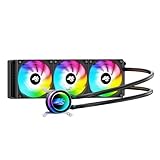


🛒 Best Price Today on Amazon
Prime members get fast, free shipping on everything above, plus member-only deals. New members get a 30-day free trial — cancel anytime.
Quick answer: Our top pick in 2026 is the High-end / overclocked CPU — our #1 rated choice. See the full ranked comparison, alternatives and buying advice below.
What Liquid Cooling Actually Does
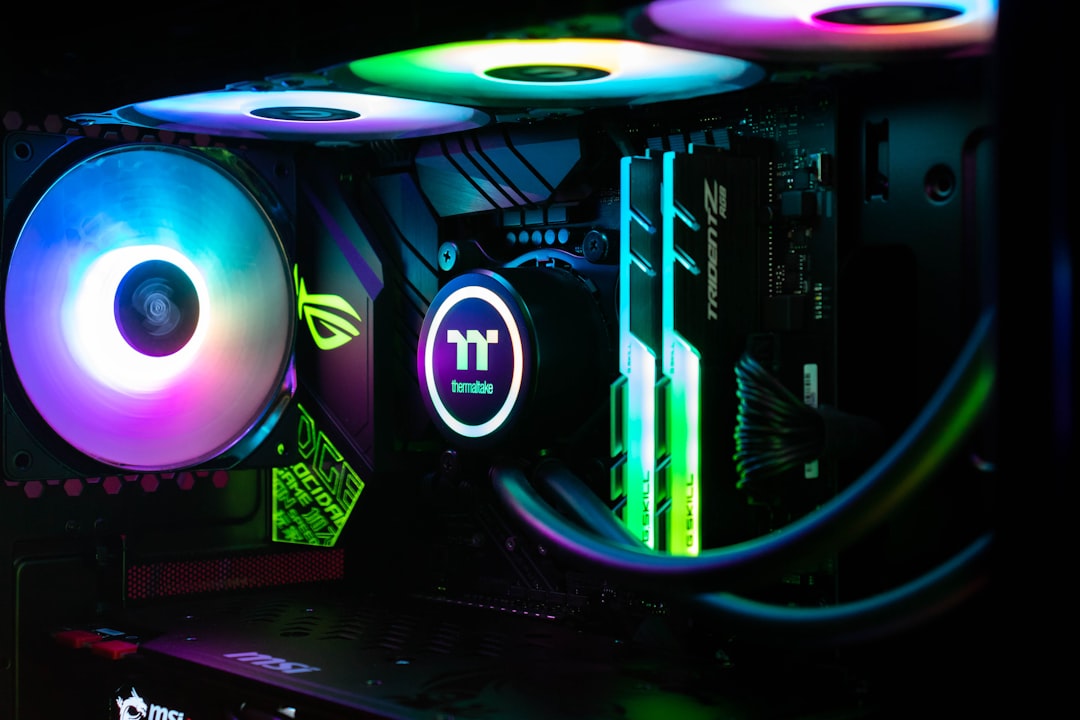
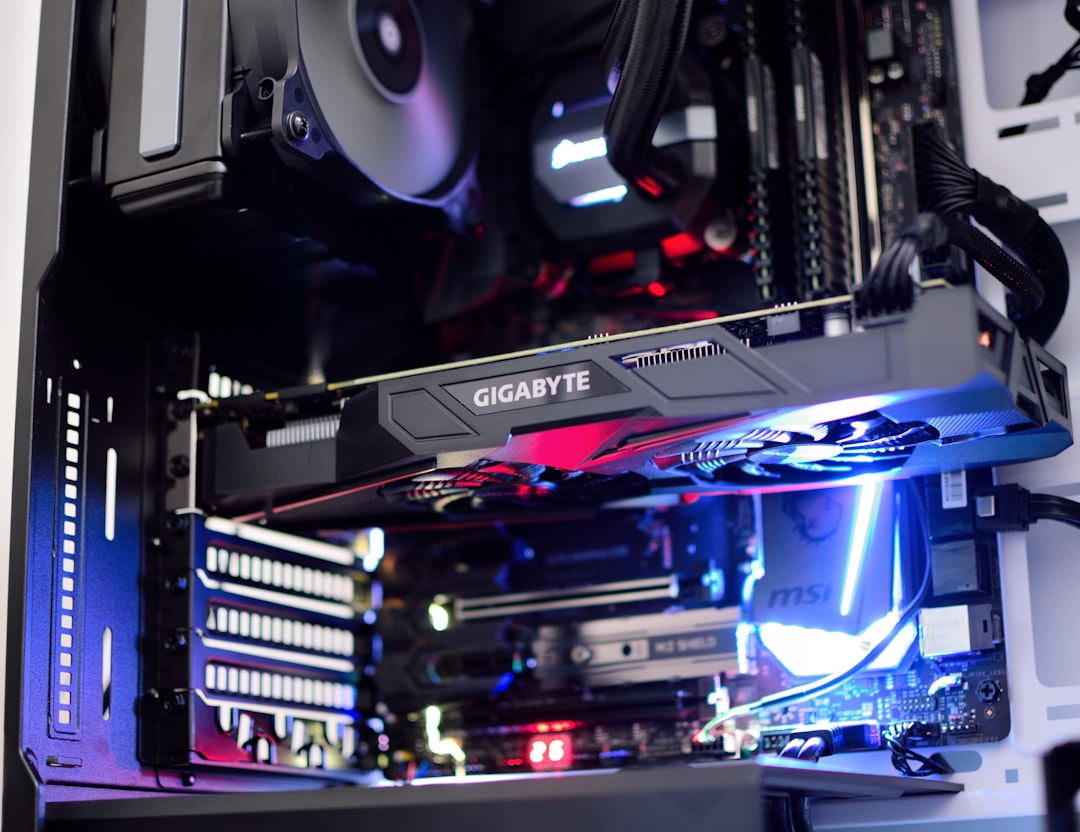
An all-in-one (AIO) liquid cooler circulates coolant through a block sitting on your CPU, carries the absorbed heat out to a radiator, and dissipates it with fans. The key advantage is that liquid transfers heat very efficiently and the radiator can be mounted away from the cramped socket area, often at the top or front of the case. This lets a liquid cooler handle intense, sustained heat loads with room to spare.
For a high-end or overclocked processor that runs hot under heavy workloads, that extra cooling capacity translates into lower temperatures and sustained performance. The cooler keeps the chip below its throttling point even during long, demanding sessions, which is exactly what enthusiasts want.
The Case For Liquid Cooling
There are several genuine reasons to choose liquid cooling. First, it excels at cooling powerful processors under sustained load, making it the better choice for flagship CPUs and overclocking. Second, it frees up space around the CPU socket, which matters in compact cases where a large air tower simply won’t fit. Third, many gamers love the clean aesthetic of a slim pump block and a tidy radiator, especially behind a glass side panel.
There’s also a noise angle. A large radiator can use slower-spinning fans that run quietly while still moving plenty of heat, so a quality AIO can be very quiet under load. For someone who wants a powerful, good-looking, quiet build, liquid cooling checks a lot of boxes.
The Case Against Liquid Cooling
Liquid cooling isn’t free of downsides. It costs more than comparable air cooling, sometimes significantly. It introduces a pump, which is a mechanical part that will eventually wear out, giving AIOs a shorter typical lifespan than air coolers. There’s also a small long-term risk of leaks or pump failure, though modern sealed units are reliable.
Perhaps most importantly, for many gaming CPUs the performance benefit over a good air cooler is modest. A premium air cooler can match a mid-sized AIO in typical gaming scenarios, meaning you might pay extra for cooling capacity you’ll never actually use. For a mainstream gaming build, that money could go toward a better GPU or a nicer monitor instead.
Liquid vs Air: Is the Upgrade Worth It?
| Your Situation | Worth It? | Why |
|---|---|---|
| High-end / overclocked CPU | Yes | Needs sustained cooling capacity |
| Small form factor case | Often yes | Frees up socket space |
| Aesthetic-focused build | Yes | Clean look, glass panel appeal |
| Mid-range gaming CPU | Usually no | Good air cooler suffices |
| Budget build | No | Money better spent elsewhere |
When Liquid Cooling Is Genuinely Worth It
Liquid cooling pays off most clearly in a few situations. If you’re running a flagship processor or overclocking, the extra thermal headroom keeps performance high during long sessions. If you have a small case where a tall air cooler won’t fit, an AIO solves the clearance problem elegantly. And if a clean, modern aesthetic is important to you, the look of a tidy radiator and pump block is a real benefit that air coolers can’t match.
In these scenarios, the higher cost and shorter lifespan are reasonable trade-offs for the performance, fit, or appearance you’re after. The cooler does something a comparable air solution simply can’t.
There’s also a future-proofing angle to consider. If you plan to upgrade to a more demanding processor on the same platform later, a capable AIO gives you the thermal headroom to support that jump without buying a new cooler. For builders who like to keep their case and gradually upgrade the parts inside, investing in stronger cooling up front can mean one less component to replace down the road. That kind of forward thinking can tip the value equation in favor of liquid cooling even if your current CPU doesn’t strictly require it.
When You’re Better Off With Air
For the majority of mainstream gaming builds, a quality air cooler is the smarter buy. If you’re running a mid-range CPU at stock speeds, a good tower cooler will keep it comfortably cool while costing less and lasting longer. The money you save can go toward components that more directly improve your gaming experience, like a stronger graphics card or a better display. Air cooling is the sensible default unless you have a specific reason to go liquid.
Investing those savings in the right places makes a bigger difference to your experience than the cooler itself. A great gaming monitor transforms how every game looks and feels, and competitive players gain far more from a 240Hz 1440p monitor than from a marginally cooler CPU. Even a solid set of gaming speakers may add more enjoyment than the premium of an AIO on a mainstream build.
Radiator Size and What It Means for You
If you do decide liquid cooling is right for your build, the radiator size is the single most important spec to consider. AIOs commonly come in 120mm, 240mm, 280mm, and 360mm sizes, referring to the length of the radiator and the number of fans it carries. A larger radiator dissipates more heat and lets the fans spin slower and quieter, but it also requires a case with enough mounting room. A 120mm AIO often offers little advantage over a good air cooler, while a 280mm or 360mm unit is where liquid cooling truly pulls ahead.
Before buying, check your case specifications to confirm which radiator sizes it supports and where they can mount. A radiator that doesn’t fit, or that conflicts with tall RAM or the top of the motherboard, will quickly turn an exciting upgrade into a frustrating one. Measuring twice before purchasing saves you a return and a headache, and ensures the cooler you choose can actually deliver the performance you’re paying for.
Top-Rated Picks



| Product | Brand | Rating | Reviews | Price |
|---|---|---|---|---|
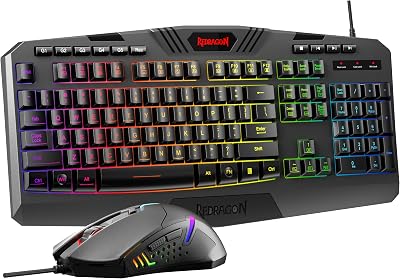
| Redragon K552 Mechanical Gaming Keyboard, 87-Key Comp… | REDRAGON | ★ 4.5 | 51.6k | $36.99 |
| Redragon S101-3 PRO Gaming Keyboard and Mouse, RGB Ba… | REDRAGON | ★ 4.5 | 51.3k | $39.99 |
| HyperX Alloy Origins 60 – Mechanical Gaming Keyboard,… | HyperX | ★ 4.7 | 15.1k | $59.99 |
| Redragon K556 RGB LED Backlit Wired Mechanical Gaming… | REDRAGON | ★ 4.6 | 8.1k | $49.99 |
| RK ROYAL KLUDGE S108 Typewriter Keyboard, Retro Mecha… | RKROYALKLUDGE | ★ 4.6 | 7.7k | $59.99 |
Frequently Asked Questions
Is liquid cooling worth it for a mid-range gaming PC?
Usually not. A good air cooler keeps mid-range CPUs comfortably cool at a lower cost and with a longer lifespan. Liquid cooling becomes worthwhile mainly for high-end or overclocked processors, small cases, or aesthetic-focused builds.
Does liquid cooling improve gaming performance?
Indirectly, by preventing thermal throttling on hot processors during sustained loads. For most gaming CPUs that don’t throttle on a good air cooler, you won’t see a frame rate difference. The benefit appears mainly on powerful or overclocked chips.
Can a liquid cooler leak and damage my PC?
It’s rare with modern sealed AIOs, which are built and tested to prevent leaks for years. The risk is low but not zero. Air cooling eliminates this concern entirely if it worries you.
How long does a liquid cooler last compared to air?
AIOs typically last five to seven years before the pump wears out, while quality air coolers can last well over a decade. Air cooling has a clear longevity advantage since it has no pump to fail.
Is liquid cooling quieter than air cooling?
It can be. A large radiator lets fans spin slowly and quietly under load, but a cheap pump can hum or gurgle. A good air cooler with a large fan is also very quiet. The quietest option depends on the specific models rather than the cooling type alone.
Conclusion
Whether liquid cooling is worth it comes down to your specific build. For high-end or overclocked CPUs, compact cases, and aesthetic-driven setups, an AIO genuinely earns its higher price. For mainstream gaming on a mid-range processor, a quality air cooler delivers comparable temperatures for less money and lasts longer, freeing up budget for components that improve your gaming more directly. Match the cooler to your needs, and you’ll spend wisely either way.
Ready to decide? Our #1 pick for 2026 is the High-end / overclocked CPU.
Live price & availability on Amazon.
Top picks from this guide
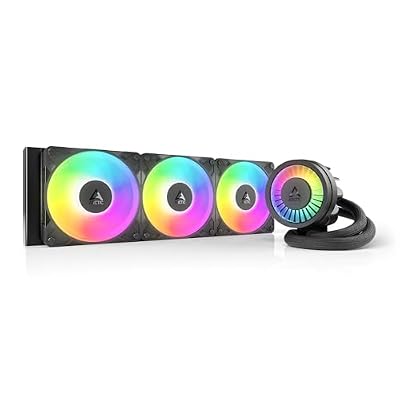 ARCTICARCTIC Liquid Freezer III Pro 360 A-RGB - AIO CPU…$77 \xc2\xb7 98/100
 HyperXHyperX Alloy Origins 60 - Mechanical Gaming Keyboard, Ultra Compact…$80 \xc2\xb7 97/100
 RK ROYAL KLUDGERK ROYAL KLUDGE S108 Typewriter Keyboard, Retro Mechanical Gaming Keyboard…$48 \xc2\xb7 96/100
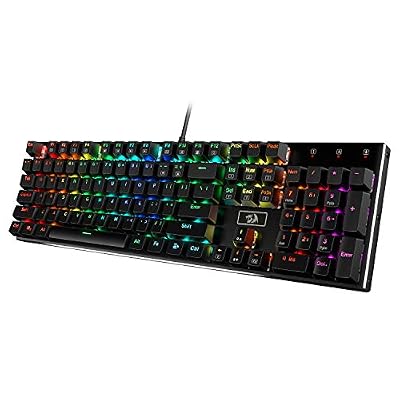 RedragonRedragon K556 Wired RGB Mechanical Gaming Keyboard, 104-Key Aluminum Board$47 \xc2\xb7 95/100