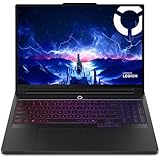
- Top Pick: Lenovo Legion Pro 7i Gen 10 w/Ultra 9, RTX 5090, 64GB RAM, 2TB,16” OLED
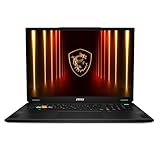
- Best Value: msi Stealth 18 HX AI 18” 120Hz UHD+ Mini LED Gaming Laptop: Intel Ultra 9-275HX, NVIDIA Geforce RTX 5090, 64GB DDR5, 2TB NVMe SSD, Wi-Fi 7, Win 11 Pro: Black A2XWJG-035US
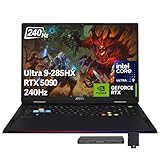
- Premium Choice: msi Raider 18 HX AI 18” 120Hz UHD+ Gaming Laptop: Intel Core U9-285HX, NVIDIA Geforce RTX 5090, 64GB DDR5, 2TB NVMe SSD, Thunderbolt 5, Wi-Fi 7, Win 11 Pro: Black A2XWJG-069US
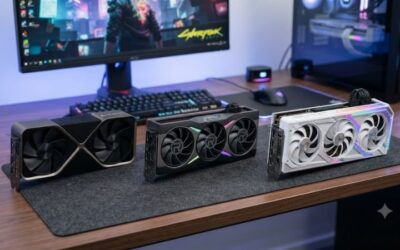
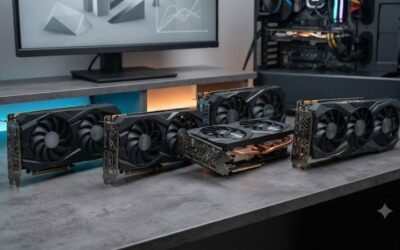
The RTX 5090 laptop GPU represents the absolute ceiling of mobile gaming. Built on NVIDIA’s Blackwell architecture with a massive 24GB of GDDR7 and full DLSS 4 Multi Frame Generation, it drives 4K and ultra-high-refresh gaming that was, until recently, the exclusive domain of desktop towers. These are halo machines—built for players and creators who refuse to compromise and have the budget to match.
At this tier, every laptop is fast; the meaningful differences are display quality, cooling, port selection, and chassis design. We compared the flagship RTX 5090 laptops to see which justifies its premium and which suits your priorities.
As an Amazon Associate we earn from qualifying purchases at no extra cost to you. Product prices and availability are accurate as of the date shown and are subject to change.



🎮 Get More From Your Setup — Free
Prime Gaming gives you free PC games every month, in-game loot, and a free Twitch channel sub — plus fast free shipping on all the gear above. New members get a 30-day free trial.
Watch: RTX 5090 Gaming Laptop — Video Review
Design & Build
These are large, seriously engineered machines built to tame a 5090’s heat. The MSI Titan 18 HX AI is the no-holds-barred giant, an 18-inch behemoth with a 240Hz MiniLED UHD+ display, 4TB of storage, and Thunderbolt 5. The ASUS ROG Strix Scar 18 counters with a stunning ROG Nebula HDR 4K 240Hz panel, while the Dell Alienware 18 Area-51 brings Alienware’s iconic design and a 2.5K WQXGA screen. The Lenovo Legion Pro 7i Gen 10 takes a slightly more restrained approach with a gorgeous 16-inch OLED. Expect substantial weight and thick chassis across the board—that’s the price of cooling this GPU properly.
Performance
With 24GB of GDDR7, the RTX 5090 chews through 4K gaming at high refresh, handles ray tracing with ease, and accelerates creative workloads—3D rendering, video editing, AI—that would bring lesser machines to a crawl. The MSI Titan and Raider pair the GPU with Intel’s top Core Ultra 9 HX chips, 64GB of DDR5, and Thunderbolt 5 for maximum throughput. The ASUS Scar 18’s 4K 240Hz Nebula HDR panel is arguably the most spectacular display here for both gaming and content work. Cooling determines sustained performance: the biggest 18-inch chassis hold clocks longest, while the 16-inch Legion Pro 7i stays a touch more portable at a small thermal cost.
Pros & Cons
- Uncompromising 4K high-refresh gaming with ray tracing and DLSS 4.
- 24GB GDDR7 future-proofs demanding games and creative work.
- Flagship displays—MiniLED and OLED options with 240Hz refresh.
- Thunderbolt 5 and Wi-Fi 7 on top configs for cutting-edge connectivity.
- Very expensive—these are premium halo machines.
- Heavy and bulky; true desktop-replacement portability only.
- Short unplugged battery life under gaming loads—plan to stay near power.
Alternatives to Consider
If you want flagship power in a more manageable size, the 16-inch Lenovo Legion Pro 7i Gen 10 with its OLED display is the most portable option here. Those who want the most jaw-dropping screen should target the ASUS ROG Strix Scar 18’s 4K 240Hz Nebula HDR panel, while buyers chasing sheer maximum specs—18-inch MiniLED, 4TB storage, Thunderbolt 5—should look at the MSI Titan 18 HX. If a 5090 stretches the budget too far, an RTX 5080 laptop delivers most of the experience for meaningfully less.
Related Guides
- Nvidia Geforce RTX 5090 PC (2026)
- Best Laptop Video Card For Gaming (2026)
- RTX 5070 – 12gb (2026)
- Acer RTX 4050 Laptop (2026)
- RTX 50 Series Gaming Laptop Deals (2026)
Frequently Asked Questions
Is an RTX 5090 laptop worth it?
For players and creators who need top-tier 4K gaming or heavy GPU-accelerated work on the move, yes. For 1080p or 1440p gaming, a 5070 Ti or 5080 laptop offers far better value.
Can these run 4K gaming smoothly?
Yes—the 5090 is built for it, and DLSS 4 with frame generation pushes frame rates even higher in supported titles. The 240Hz panels let you take full advantage.
How’s the battery life?
Modest under gaming—these machines draw serious power and are designed to run plugged in for full performance. Expect much longer life for light productivity tasks.
Should I get 16-inch or 18-inch?
18-inch models cool better and offer the largest, most immersive displays, but they’re heavy. A 16-inch like the Legion Pro 7i is more portable while still delivering flagship power.
Verdict
The best RTX 5090 laptop depends on what you value most. For the ultimate everything-maxed machine, the MSI Titan 18 HX AI is unmatched; for the most beautiful display, the ASUS ROG Strix Scar 18’s 4K Nebula HDR panel wins; and for flagship power you can actually carry, the Lenovo Legion Pro 7i Gen 10 with OLED is the pick. All deliver desktop-class performance—choose the chassis and screen that fit your life.