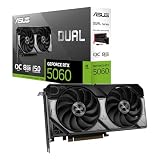
- Top Pick: ASUS Dual NVIDIA GeForce RTX 5060 Ti 16GB GDDR7 OC Edition Graphics Card, (PCIe 5.0, DLSS 4, HDMI 2.1b, DisplayPort 2.1b, 2.5-Slot, Axial-tech Fan, 0dB Technology), 3 Year Warranty
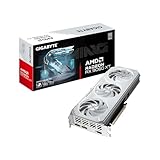
- Best Value: GIGABYTE Radeon™ RX 9060 XT Gaming OC ICE 16G Graphics Card (16GB GDDR6, 128-bit, PCIe 5.0, HDMI/DP 2.1, 2 Slot, Hawk Fan, Server-Grade Thermal Gel, Reinforced Structure)
- Premium Choice: MOUGOL AMD Radeon RX 580 8GB GDDR5 Gaming Graphics Card, HDMI/DP/DVI Port
The midrange graphics card is where most gamers find the sweet spot: enough power for smooth 1080p and solid 1440p gaming without the premium price of a flagship. But the midrange spans a wide range, from current-generation cards with modern features to older and budget models that still hold value for lighter systems. Knowing the difference is key to spending wisely.
This review examines a broad mix of midrange graphics cards, from the latest RTX 5060 Ti and RX 9060 XT to proven older options like the RX 580 and GTX 1660. We assess performance, VRAM, features, and value so you can match the right card to your resolution, budget, and existing rig.
As an Amazon Associate we earn from qualifying purchases at no extra cost to you. Product prices and availability are accurate as of the date shown and are subject to change.





🎮 Get More From Your Setup — Free
Prime Gaming gives you free PC games every month, in-game loot, and a free Twitch channel sub — plus fast free shipping on all the gear above. New members get a 30-day free trial.
Watch: Midrange Graphics Card — Video Review
Design & Build
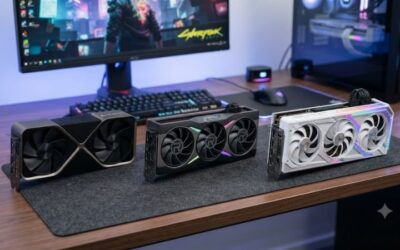
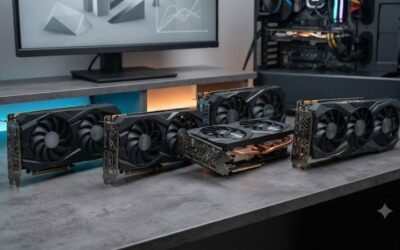
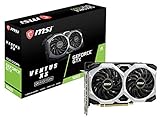
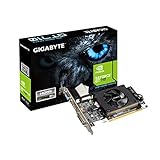
The current-generation cards lead on design. The ASUS Dual RTX 5060 Ti 16GB uses a compact 2.5-slot cooler with Axial-tech fans and 0dB technology for quiet operation, while the GIGABYTE RX 9060 XT Gaming OC ICE 16GB pairs modern PCIe 5.0 support with a clean white aesthetic and reinforced structure. On the value end, the older cards are simpler: the MSI GTX 1660 Ventus and MSI GT 1030 use modest dual and single-fan coolers, and the RX 580 8GB models from MOUGOL and HyperRender offer basic but functional designs for budget builds. These older cards run on PCIe 3.0 and lack the latest display outputs, but remain compact and easy to fit.
Performance
The generational gap is significant. The RTX 5060 Ti 16GB is the clear performance and future-proofing leader, delivering strong 1440p gaming with DLSS 4 upscaling and a generous 16GB framebuffer. The RX 9060 XT 16GB is its closest rival, offering excellent 1440p rasterization and much-improved ray tracing over older AMD cards, often at a better price. The older options serve narrower roles: the RX 580 8GB remains a capable 1080p card for esports and older titles, the GTX 1660 handles 1080p gaming competently, and the GT 1030 is strictly an entry-level display or light-gaming card. For anyone building or upgrading with an eye on modern games, the current-gen 16GB cards are the smart buys.
Pros & Cons
- Current-gen 16GB cards offer strong 1440p performance and future-proofing.
- Modern features like DLSS 4 and improved ray tracing on the newest models.
- Budget options like the RX 580 still handle 1080p esports affordably.
- Quiet, compact coolers on the newer ASUS and GIGABYTE cards.
- Older cards lack modern upscaling, ray tracing, and current display outputs.
- Renewed and budget models may have limited warranty and support.
- Wide performance spread means matching the card to your needs is essential.
Alternatives to Consider
For the best midrange experience, the ASUS Dual RTX 5060 Ti 16GB and GIGABYTE RX 9060 XT 16GB are the standout current-generation picks, ideal for 1440p and future titles. If you are building a tight-budget 1080p esports rig or reviving an older system, the RX 580 8GB remains a sensible value option, and the GTX 1660 covers basic 1080p gaming. Avoid the GT 1030 unless you only need a display output or the lightest gaming. Match the card to your target resolution and the age of your rig.
Related Guides
- Best Laptop Video Card For Gaming (2026)
- Pny RTX 5090 Review (2026)
- Laptops With Nvidia RTX 5090 (2026)
- PC Upgrade Graphics Card (2026)
Frequently Asked Questions
What counts as a midrange graphics card?
Midrange cards sit between entry-level and flagship, targeting strong 1080p and solid 1440p gaming at a reasonable price. Current examples include the RTX 5060 Ti and RX 9060 XT, while older cards like the RX 580 now serve the budget end.
Is 8GB of VRAM enough in the midrange?
For 1080p, 8GB still works, but 16GB is strongly preferable for 1440p and modern texture-heavy games. The 16GB RTX 5060 Ti and RX 9060 XT are the safer, more future-proof choices.
Are older cards like the RX 580 still worth buying?
For budget 1080p esports and older titles, the RX 580 8GB offers reasonable value. But it lacks modern upscaling and ray tracing, so for current AAA games a newer card is a much better investment.
NVIDIA or AMD in the midrange?
NVIDIA leads on ray tracing and DLSS with the RTX 5060 Ti, while AMD’s RX 9060 XT often offers more rasterization per dollar. Both deliver excellent 1440p experiences at 16GB, so choose based on features versus value.
Verdict
The midrange graphics card market rewards matching the card to your needs. For modern 1440p gaming and longevity, the ASUS Dual RTX 5060 Ti 16GB and GIGABYTE RX 9060 XT 16GB are the top picks, offering current features and ample VRAM. Budget builders reviving older systems can still get value from the RX 580 8GB, but for anyone playing current games, the newest 16GB cards are the clear, smart choice.