- Top Pick: ASUS Dual NVIDIA GeForce RTX 5060 Ti 16GB GDDR7 OC Edition Graphics Card, (PCIe 5.0, DLSS 4, HDMI 2.1b, DisplayPort 2.1b, 2.5-Slot, Axial-tech Fan, 0dB Technology), 3 Year Warranty
- Best Value: ASUS SFF-Ready Prime NVIDIA GeForce RTX 5060 Ti 16GB GDDR7 OC Edition Graphics Card (PCIe 5.0, 16GB GDDR7, HDMI/DP 2.1, 2.5-Slot, Axial-tech Fans, Dual BIOS), 3 Year Warranty
- Premium Choice: PNY NVIDIA GeForce RTX™ 5060 Ti Epic-X™ ARGB OC Triple Fan, Graphics Card (8GB GDDR7, 128-bit, Boost Speed: 2692 MHz, SFF-Ready, PCIe® 5.0, HDMI®/DP 2.1, 2-Slot, NVIDIA Blackwell Architecture, DLSS 4)
The NVIDIA GeForce RTX 5060 Ti has become a favorite for mainstream PC builders, delivering excellent 1080p and 1440p gaming with the latest Blackwell architecture and DLSS 4. Available in both 8GB and 16GB memory versions, it offers a compelling blend of performance, efficiency, and value that suits everything from compact builds to standard gaming towers.
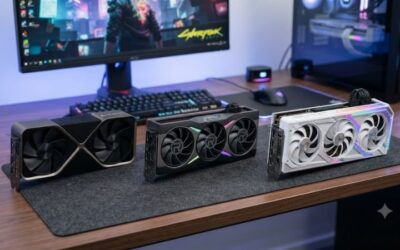
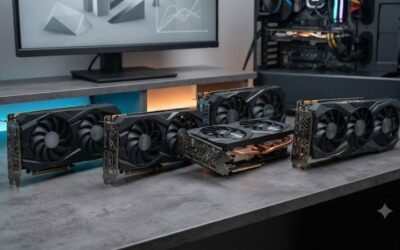
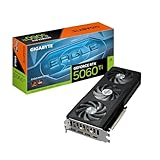
This review compares RTX 5060 Ti graphics cards from ASUS, PNY, and GIGABYTE, examining cooling designs, memory options, and physical size. Since these cards share the same GPU, the differences in thermals, noise, and fit determine which one best matches your build.
As an Amazon Associate we earn from qualifying purchases at no extra cost to you. Product prices and availability are accurate as of the date shown and are subject to change.



🎮 Get More From Your Setup — Free
Prime Gaming gives you free PC games every month, in-game loot, and a free Twitch channel sub — plus fast free shipping on all the gear above. New members get a 30-day free trial.
Watch: Geforce RTX 5060 Ti Graphics Card — Video Review
Design & Build
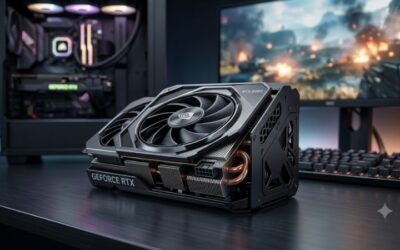
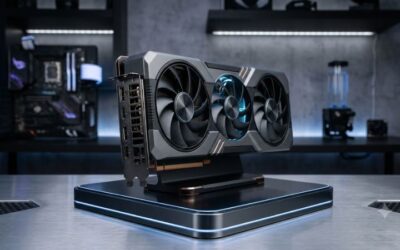
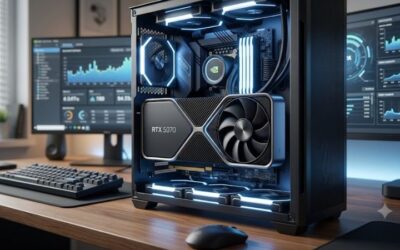
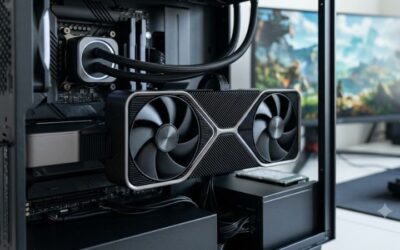
These cards vary in cooling approach and size. The ASUS Dual and SFF-Ready Prime RTX 5060 Ti models use compact 2.5-slot Axial-tech coolers with 0dB technology that silences the fans at low loads, and they are designed to fit small-form-factor and mainstream cases, including white editions for themed builds. The PNY Epic-X ARGB adds triple fans and RGB lighting in an SFF-ready 2-slot design, while the GIGABYTE WINDFORCE uses a dependable dual-fan cooler. All feature PCIe 5.0, HDMI/DP 2.1 outputs, and DLSS 4 support. The compact designs across the range make these among the easier high-performance cards to fit into smaller builds.
Performance
The RTX 5060 Ti delivers strong 1080p and 1440p gaming with high settings, and DLSS 4 frame generation pushes frame rates comfortably higher. The memory choice matters: the 16GB versions, like the ASUS Dual and Prime 16GB models, provide extra headroom for higher texture settings and more demanding titles, while the 8GB versions are excellent value for 1080p-focused builders. Cooling quality keeps clocks sustained and noise low, with the 0dB technology on the ASUS cards making them silent during light use. The PNY Epic-X’s triple-fan design and the GIGABYTE WINDFORCE both keep temperatures well controlled during extended gaming.
Pros & Cons
- Pro: Strong 1080p and 1440p gaming with DLSS 4 frame generation.
- Pro: 8GB and 16GB options let you match memory to your needs.
- Pro: Compact, SFF-ready designs fit smaller cases easily.
- Pro: Quiet 0dB cooling and RGB options across the range.
- Con: The 8GB version limits textures in the most demanding titles.
- Con: RGB-heavy models like the PNY cost a bit more.
- Con: A modern ATX 3.1 PSU is recommended for best stability.
Alternatives to Consider
If you want more performance, an RTX 5070 steps up to higher 1440p frame rates for a moderate premium. Within the 5060 Ti range, the ASUS Dual or Prime 16GB is the pick for builders who want texture headroom and quiet operation, while the 8GB versions are the value choice for 1080p gaming. Small-form-factor builders should choose an SFF-ready model, and those wanting aesthetics should look at the PNY Epic-X ARGB or an ASUS white edition.
Related Guides
- Nvidia Geforce RTX 5090 Restock (2026)
- RTX 5070 Ti Laptop Sale (2026)
- RTX 5070 – 12gb (2026)
- Midrange Graphics Card (2026)
Frequently Asked Questions
Should I get the 8GB or 16GB version?
Choose 16GB if you play demanding titles at 1440p or want texture headroom for the future. The 8GB version is a great value for 1080p-focused gaming.
Is the RTX 5060 Ti good for 1440p?
Yes. It handles 1440p gaming well at high settings, and DLSS 4 frame generation boosts frame rates further, making it a capable mainstream choice for the resolution.
Will it fit a small-form-factor build?
Many of these cards, including the ASUS SFF-Ready Prime and PNY Epic-X, are specifically designed with compact coolers to fit small-form-factor cases.
What is 0dB technology?
It stops the fans entirely under low loads, so the card runs silently during light use like browsing or video, with fans spinning up only when temperatures rise during gaming.
Verdict
The RTX 5060 Ti is a superb mainstream GPU, and the ASUS Dual or Prime 16GB is the standout for its quiet cooling and texture headroom. The 8GB versions are the value pick for 1080p gaming, while the PNY Epic-X ARGB suits builders who want RGB flair.