🛒 Best Price Today on Amazon
Prime members get fast, free shipping on everything above, plus member-only deals. New members get a 30-day free trial — cancel anytime.
Selecting an effective fps gaming headset requires assessing audio driver tuning, spatial accuracy, and long-term wearing comfort. High-level competitive matches depend on immediate acoustic awareness to identify enemy movement and reloading cues. A properly calibrated audio driver setup gives players a distinct tactical advantage.
How to Choose an FPS Gaming Headset
Choosing the right fps gaming headset involves balance between acoustic fidelity, structural comfort, and hardware compatibility. Players must prioritize clear soundstage separation over heavy low-end bass that masks critical audio cues. Examining key driver parameters helps buyers select hardware tailored to competitive multiplayer games.
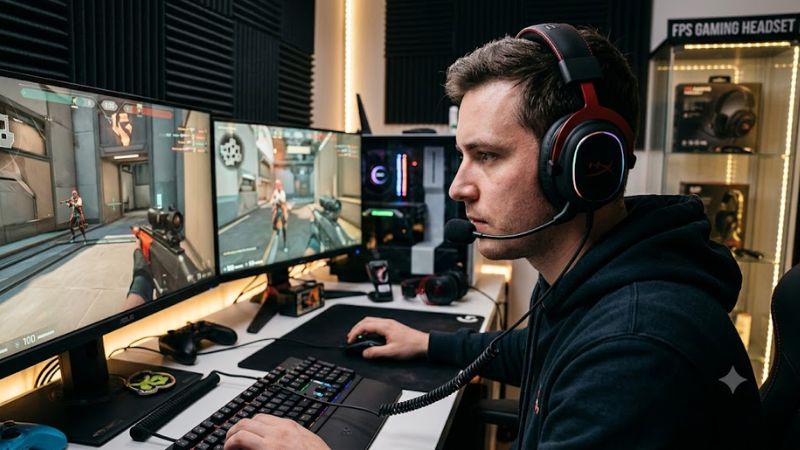
Directional Imaging and Frequency Tuning
Precise directional imaging allows players using an fps gaming headset to locate footsteps, weapon reloads, and ability cues across competitive maps. Audio drivers tuned with an emphasis on upper midrange frequencies between 1 kHz and 4 kHz highlight subtle movement sounds. This acoustic signature makes quiet opponent cues easier to distinguish.
Headsets with overly exaggerated bass responses often drown out high-frequency positional detail during heavy artillery fire. Clean stereo separation provides accurate left and right panning across wide soundstages without software distortion. The Razer BlackShark V2 Pro 2023 utilizes 50mm dynamic drivers designed for this precise frequency focus.
Ergonomic Weight and Earcup Cushioning
Wearing comfort during extended tournament matches requires lightweight frame designs and breathable earcup materials. Heavy headsets exert excessive clamping pressure on the skull, leading to physical fatigue and distraction during long sessions. Memory foam ear pads wrapped in fabric help dissipate heat while maintaining passive sound isolation.
Adjustable headband sliders with steel reinforcements ensure balanced weight distribution across different head shapes. Eyeglass wearers benefit from soft memory foam cushions that accommodate glasses frames without breaking the acoustic seal. The HyperX Cloud III demonstrates how comfortable frame geometry prevents tension over multi-hour matches.
Acoustic Driver Architecture and Resolution
Driver technology dictates how cleanly an fps gaming headset reproduces complex multi-layered audio environments during chaotic matches. Planar magnetic drivers utilize thin film diaphragms to deliver rapid transient responses and minimal harmonic distortion. This design preserves subtle acoustic details even when explosions occur in close proximity.
Standard dynamic drivers offer strong efficiency and punchy response, while dual-chamber designs separate bass from midrange channels. High-resolution driver coils reduce voice coil distortion when high volume levels are needed during LAN tournaments. The Audeze Maxwell leverages 90mm planar drivers to deliver exceptional detail across wide bands.
Earcup Structure and System Compatibility
Selecting between open-back and closed-back earcups depends on environmental noise levels and personal soundstage preferences. Open-back earcups allow air to flow through the earcups, producing a natural, wide acoustic presentation. Closed-back earcups seal out external ambient room noise, allowing full focus inside noisy gaming environments.
Hardware compatibility requires checking available connection types, including 2.4GHz wireless dongles, USB-A cables, or 3.5mm analog jacks. Windows 10 and Windows 11 PC platforms support full custom software equalizers and mic sidetone controls. The Turtle Beach Atlas Air offers open-back wireless operation alongside versatile multiplatform support.
Top FPS Gaming Headsets
The market offers specialized models optimized for spatial orientation, passive noise isolation, or pristine microphone transmission. Selecting a competitive fps gaming headset requires comparing driver specs, weight metrics, connection formats, and hardware drawbacks. The comparative table below summarizes top choices across key performance tiers.
| Product | Best For | Key Spec | Compatibility | Watch Out For |
| Razer BlackShark V2 Pro (2023) | Best Overall | 50mm Titanium Drivers, 70-Hour Battery | Windows 10/11 PC, PS5, Switch | No 3.5mm analog wired mode |
| HyperX Cloud III | Best Value | 53mm Angled Drivers, Memory Foam | Windows 10/11 PC, PS5, Xbox, Switch | No onboard EQ profile storage |
| Audeze Maxwell | Best Audiophile | 90mm Planar Magnetic Drivers, 80 Hours | Windows 10/11 PC, Mac, PS5, Mobile | Heavy 490g overall weight |
| Turtle Beach Atlas Air | Best Open-Back | 40mm Drivers, 301g Open-Back Frame | Windows 10/11 PC, PS5, Switch, Mobile | Audio leaks to nearby people |
Razer BlackShark V2 Pro (2023)
The Razer BlackShark V2 Pro 2023 serves as a premier fps gaming headset for players focused on directional sound cues. Featuring 50mm TriForce Titanium drivers, this model separates low, mid, and high audio frequencies into isolated tuning channels. The detachable wideband microphone records clear voice communications with impressive voice clarity.
Operating over 2.4GHz wireless or Bluetooth 5.2, the headset provides up to 70 hours of continuous battery life per charge cycle. Memory foam ear cushions lined with breathable fabric prevent heat buildup during long competitive matches. However, the lack of an active 3.5mm analog audio input limits direct connection to legacy non-USB hardware.
HyperX Cloud III
The HyperX Cloud III delivers high structural comfort and balanced stereo separation at an accessible budget price point. Angled 53mm dynamic drivers direct audio straight into the ear canal, sharpening spatial imaging during quick firefights. The durable aluminum frame withstands daily gaming abuse while maintaining steady clamping pressure.
Plugging in via 3.5mm analog cable or USB adapter provides plug-and-play operation across Windows 10, Windows 11, and consoles. The updated electret condenser microphone features built-in noise cancellation for clear team callouts. However, users who prefer saving complex equalization curves directly to internal headset memory must look elsewhere.
Audeze Maxwell
The Audeze Maxwell represents a high-end option for audiophiles using an fps gaming headset to maximize sound clarity. Powered by massive 90mm planar magnetic drivers, it yields ultra-low harmonic distortion and wide dynamic response. Players hear subtle acoustic footsteps and distance cues with exceptional clarity during quiet stealth moments.
Wireless performance spans 2.4GHz dongles and Bluetooth 5.3, offering over 80 hours of battery life on a full charge. An integrated AI-assisted noise filtering microphone cleans background fan noise from voice chat feeds. The primary trade-off is its 490-gram weight, which feels heavier than typical lightweight competitive headsets on the market.
Turtle Beach Atlas Air
The Turtle Beach Atlas Air incorporates an open-back earcup architecture designed to create an expansive acoustic environment. By letting air pass freely through the earcups, 40mm dynamic drivers render positional spatial cues naturally. The floating headband suspension system distributes its light 301-gram weight evenly across the crown.
Low-latency 2.4GHz wireless connectivity supports low audio delay required for fast-paced competitive shooter titles. High-resolution 24-bit wireless audio processing maintains signal clarity when paired with Windows 11 PC systems. However, open-back earcups leak game sound outward and offer zero passive isolation against noisy ambient rooms.
Frequently Asked Questions
Understanding audio processing mechanics, connection protocols, and acoustic designs helps players refine hardware selection decisions. Reviewing common technical questions in an fps gaming headset setup clarifies how driver configurations impact competitive in-game situational awareness. The following section answers key inquiries regarding performance.
Does Virtual 7.1 Surround Sound Help in FPS Games?
Virtual 7.1 surround sound generally harms directional accuracy in competitive shooter titles by adding artificial reverb and phase distortion. Game audio engines in titles like Valorant and Counter-Strike 2 already calculate precise 3D spatial positioning natively. Leaving surround processing disabled maintains clean stereo channel separation.
Software spatial processing compresses dynamic range and smears crucial midrange frequencies where footstep sounds originate. Dedicated stereo playback allows drivers to present precise directional panning without muddy delay artifacts. Most professional esports players rely exclusively on unprocessed stereo output for maximum positional awareness.
Is Wireless Latency Low Enough for Competitive FPS Play?
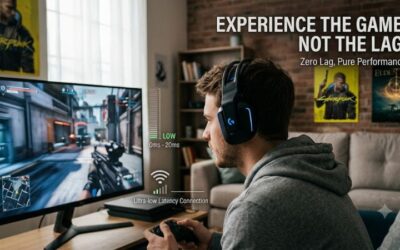
Modern 2.4GHz wireless technology provides sub-15 millisecond latency that matches traditional wired audio connections for competitive play. Dedicated USB dongles transmit uncompressed digital signals without noticeable lag or audio dropouts during matches. Standard Bluetooth protocol introduces higher delay and should be avoided in ranked games.
Wireless models feature integrated rechargeable batteries that support anywhere from 50 to 80 hours of continuous wireless gameplay. High-speed USB-C charging ports allow fast power top-ups without interrupting long gaming sessions. Connecting via 2.4GHz wireless preserves motion freedom without compromising instant audio cue delivery.
Why Is Midrange Clarity More Important Than Heavy Bass?
Midrange clarity highlights critical audio cues like footsteps, gun reloads, and character voice callouts located between 250 Hz and 4 kHz. Excessive low-frequency bass creates acoustic masking, where booming explosions drown out quiet directional cues nearby. Balanced frequency response curves help competitive players isolate subtle sound details.
Equalizers configured with slight midrange boosts improve voice intelligibility across Discord callouts during intense multi-team firefights. Flat frequency response curves permit subtle acoustic details to remain audible alongside loud game events. Prioritizing midrange resolution provides higher tactical awareness than consumer bass boost profiles.
Are Open-Back Headsets Better Than Closed-Back Models?
Open-back headsets offer a wider acoustic soundstage and natural sound presentation ideal for quiet home gaming environments. Perforated earcup backs allow sound waves to escape, preventing internal cabinet resonance and physical heat buildup over time. Closed-back models isolate external environmental noise but create a narrower sound field.
Choosing between earcup styles depends on ambient noise levels in your gaming room and external audio leakage concerns. Open-back earcups leak game audio to nearby listeners, making them unsuitable for noisy environments or public LAN arenas. Closed-back earcups maintain solid acoustic isolation to keep players focused during matches.
Final Thoughts
Selecting a suitable fps gaming headset comes down to matching acoustic precision, comfort requirements, and system compatibility to your gaming setup. Prioritizing clear midrange frequencies and accurate stereo imaging ensures reliable footstep tracking in competitive matches. High-quality audio gear enhances overall spatial awareness.