- Top Pick: Samsung 27" Odyssey G5 (G51F) Series QHD (1440P) Gaming Monitor
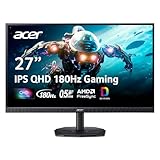
- Best Value: Acer Nitro 27in QHD 2560×1440 IPS 180Hz Gaming Monitor KG271U N3bmiipx
- Premium Choice: ASUS TUF Gaming 27” 1440P HDR Monitor (VG27AQ3A) – QHD (2560 x 1440), 180Hz, 1ms, Fast IPS, 130% sRGB, Extreme Low Motion Blur Sync, Speakers, Freesync Premium, G-SYNC Compatible, HDMI, DisplayPort
Shopping for a gaming monitor in 2026 is harder than it should be. Spec sheets are crowded with acronyms, refresh rates have crept past 180Hz on budget panels, and OLED has finally slipped under the $500 line — which makes the old advice about “just buy a fast TN panel” completely obsolete. The result is a market where a $200 monitor and a $500 monitor can look identical on paper, and wildly different in practice.
This guide cuts through that. We’ve focused on 27-inch 1440p displays, which remain the sweet spot for value: sharp enough to justify a modern GPU, forgiving enough that a mid-range card can still push high frame rates. Every pick below sits realistically within a $500 budget, and each one earns its place for a specific reason — motion clarity, color accuracy, connectivity, or simply the lowest price that doesn’t involve a compromise you’ll regret.
As an Amazon Associate we earn from qualifying purchases at no extra cost to you. Product prices and availability are accurate as of the date shown and are subject to change.




⚡ Save on Your Next PC — Amazon Prime
Prime members get fast free shipping on the systems above, plus early access to Prime Day & Black Friday PC deals. New members get a 30-day free trial.
Watch: Best Gaming Monitor Under $500 — Video Review
How to Choose Gaming Monitor Under $500
- Resolution and size: At this budget, 27-inch 1440p is the target. It delivers roughly 109 pixels per inch — noticeably crisper than 1080p — without the GPU tax of 4K. Only consider 1080p if you’re pairing it with an older card and want maximum frame rates.
- Panel type: Fast IPS is the default choice for its color accuracy and viewing angles. VA panels offer deeper contrast for dark, atmospheric games but can smear in fast motion. QD-OLED delivers the best image quality outright, though it demands a higher share of your budget.
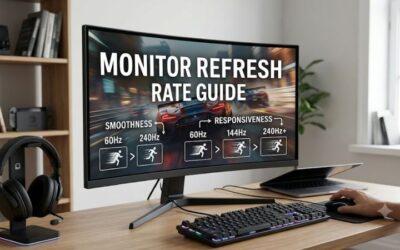
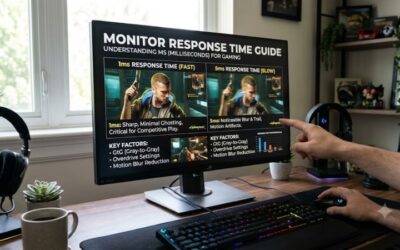
- Refresh rate and response time: 144Hz is the practical minimum in 2026; 180Hz is now common and worth the small premium. Treat manufacturer “1ms” claims skeptically — real-world motion clarity depends far more on overdrive tuning and backlight strobing than on the number printed on the box.
- Adaptive sync: FreeSync Premium or G-SYNC Compatible certification eliminates tearing without the old hardware-module price penalty. Nearly every monitor here supports both, so verify it works over your specific connection type rather than assuming.
- Connectivity and extras: Check for DisplayPort 1.4 at minimum, and consider USB-C with power delivery if you also dock a laptop. Built-in speakers, ergonomic stands, and VESA mounting are small conveniences that meaningfully affect daily use.
The Best Picks Reviewed
Samsung Odyssey OLED G6 (G61SH)
This is the standout: a genuine QD-OLED panel at 1440p with per-pixel contrast and near-instant response, meaning motion clarity that no LCD in this guide can match. It sits at the top of the budget, but if image quality is your priority and you play in a controlled-light room, nothing else here comes close.
ASUS ROG XG27ACS
The most complete all-rounder on this list, pairing a 180Hz Fast IPS panel with USB-C power delivery and native G-SYNC compatibility — a combination that’s genuinely rare under $500. It’s the pick for anyone who games on a desktop but also docks a work laptop at the same desk.
ASUS TUF Gaming VG27AQ3A
ASUS’s TUF line has spent years quietly perfecting the mainstream 1440p gaming monitor, and the VG27AQ3A is the refined result: 180Hz, Fast IPS, 130% sRGB coverage, and Extreme Low Motion Blur Sync for crisper motion in competitive titles. Add speakers, FreeSync Premium, and a solid stand, and it’s the safest recommendation here.
Acer Nitro KG271U N3bmiipx
Acer’s Nitro line consistently undercuts its rivals without gutting the spec sheet, and this 180Hz IPS panel is a clear example — you get the same core performance as pricier options with a plainer stand and simpler menus. It’s the value play for buyers who want 1440p at high refresh and nothing they won’t use.
Samsung Odyssey G5 (G51F)
The G5 leans on Samsung’s VA expertise to deliver contrast that IPS panels can’t match, making it excellent for single-player games with heavy shadow detail. Expect some motion smearing in fast shooters, but at this price the trade-off is a reasonable one.
Frequently Asked Questions
Is 1440p worth it over 1080p in 2026?
For a 27-inch screen, yes. At that size 1080p looks visibly soft, and mid-range GPUs now handle 1440p at high frame rates in most titles. Only stick with 1080p if you’re running older hardware or exclusively play competitive shooters where raw frame rate matters more than detail.
Do I need more than 144Hz?
The jump from 60Hz to 144Hz is dramatic; from 144Hz to 180Hz is subtle and mostly noticeable in fast-paced competitive games. Since 180Hz panels now cost roughly the same, take the higher number — but don’t pay a significant premium for it.
Is OLED burn-in still a concern?
Modern QD-OLED panels include pixel-shifting and refresh cycles that make burn-in unlikely under normal mixed use, and warranties now typically cover it. The bigger practical consideration is brightness: OLED performs best in dimmer rooms, so a bright office may suit an IPS panel better.
Does a curved monitor help in gaming?
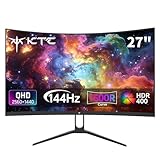
On a 27-inch display, curvature is a mild comfort improvement rather than a transformative one — it’s more meaningful on ultrawides. Options like the KTC H27S5C offer it at a competitive price, so treat it as a preference rather than a requirement.
Final Thoughts
If your budget stretches to the top of the range, the Samsung Odyssey OLED G6 offers a genuine generational leap in image quality that’s hard to walk back from. For most buyers, though, the ASUS TUF Gaming VG27AQ3A remains the smartest purchase — it does everything well and asks for nothing in return. And if you need USB-C docking alongside your gaming, the ASUS ROG XG27ACS earns its slight premium by replacing two devices with one.