🛒 Best Price Today on Amazon
Prime members get fast, free shipping on everything above, plus member-only deals. New members get a 30-day free trial — cancel anytime.
Spending up to 300 dollars on a mesh Wi-Fi system puts you in an odd spot: the cap is high enough to reach Wi-Fi 7, yet low enough that older Wi-Fi 5 and Wi-Fi 6 kits still make sense. A mesh system under 300 dollars is the answer for a house where a single router leaves dead spots in the back bedroom, the garage office, or the basement, and where the question is how much coverage and speed to buy rather than whether to buy mesh at all.
This guide is for homeowners with more than 2,000 square feet to cover, renters in multi-floor townhouses, and anyone whose video calls freeze the moment they move to the upstairs desk. The seven systems below span a renewed Wi-Fi 6 kit up to Wi-Fi 7 sets with 2.5 gigabit ports, and the sections ahead explain how to match coverage, wired backhaul, and your internet plan to the right one in 2026.
Quick Picks

Deco 7 Dual-Band BE5000 WiFi 7 Mesh Wi-Fi System 4-Stream 5 Gbps, 240 Mhz | Up to 6,600 Sq.Ft | 2X 2.5G Ports Wired Backhaul | VPN,MLO, AI-Roaming, HomeShield, Deco BE25 3-Pack


As an Amazon Associate we earn from qualifying purchases. Product prices and availability are accurate as of the date/time indicated.

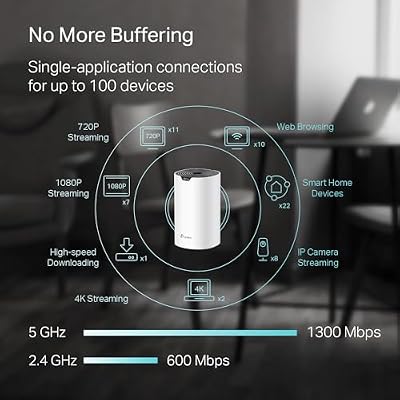
TP-Link Deco S4 Mesh AC1900 WiFi System, Deco S4(3-Pack) | Up to 5,500 Sq.ft. Coverage, Replaces WiFi Router and Extender, Gigabit Ports, Works with Alexa



As an Amazon Associate we earn from qualifying purchases. Product prices and availability are accurate as of the date/time indicated.

NETGEAR Orbi 370 Series WiFi 7 Mesh System, Up to 6,000 sq ft., 3 Pack | Up to 5 Gbps, 70 Devices, Easy Set Up, Dual-Band, Security Features, 2.5 Gig Port, Router + 2 Satellite Extenders, RBE373


As an Amazon Associate we earn from qualifying purchases. Product prices and availability are accurate as of the date/time indicated.

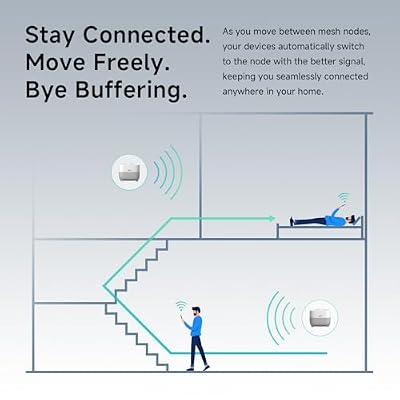
DBIT AX1500 WiFi 6 Mesh Wi-Fi System | 3,900 Sq Ft Coverage & 120 Devices | Dual-Band, Seamless Roaming, Parental Controls | Replaces Wireless Router and Extender | 4 Gigabit Ports Per Unit (2-Pack)







As an Amazon Associate we earn from qualifying purchases. Product prices and availability are accurate as of the date/time indicated.

Deco 7 BE25 Dual-Band BE5000 WiFi 7 Mesh Wi-Fi System 5 Gbps, 240 Mhz | 4-Stream, Covers up to 4,600 Sq.Ft | 2X 2.5G Ports Wired Backhaul | VPN,MLO, AI-Roaming, HomeShield, Deco BE25 2-Pack


As an Amazon Associate we earn from qualifying purchases. Product prices and availability are accurate as of the date/time indicated.

Netgear MK73-100NAR Nighthawk Dual-Band AX3000 3-Pack 3Gbps WiFi 6 Mesh System 1 Router + 2 Satellites - Certified (Renewed)


As an Amazon Associate we earn from qualifying purchases. Product prices and availability are accurate as of the date/time indicated.
| Product | Best for | Key spec from the title |
|---|---|---|
| TP-Link Deco 7 BE5000 | Large homes and wired backhaul | Wi-Fi 7, up to 6,600 sq ft, 2.5G ports |
| TP-Link Deco S4 3-Pack | Tight budgets on gigabit plans | AC1900, up to 5,500 sq ft |
| eero 6+ 3-Pack | Easy setup for gigabit plans | Up to 4,500 sq ft, 75+ devices |
| NETGEAR Orbi 370 3-Pack | Big coverage with a Wi-Fi 7 upgrade | Wi-Fi 7, up to 6,000 sq ft, 2.5 Gig |
| DBIT AX1500 | Apartments and small houses | Wi-Fi 6, 3,900 sq ft, 120 devices |
| TP-Link Deco 7 BE25 | Mid-size homes wanting Wi-Fi 7 | BE5000, up to 4,600 sq ft |
| NETGEAR Nighthawk MK73 | Renewed value on Wi-Fi 6 | AX3000, router plus 2 satellites |
How to Choose
Size the coverage to your floor plan
Listed coverage figures assume open space. Walls, brick, and floors cut real range, so pick a system whose rating exceeds your home by around 30 percent. A 1,500-square-foot apartment is served by the 3,900 square-foot DBIT kit; a three-story house of 3,500 square feet is better matched to the 5,000-plus options.
Match the Wi-Fi standard to your devices
Wi-Fi 7 helps if you own newer phones, laptops, and a router-class connection above 1 gigabit, but only if the devices support it. Wi-Fi 6 is plenty for most households today, and AC1900 hardware still handles streaming and video calls on plans up to roughly gigabit.
Check ports and backhaul
Mesh nodes talk to each other wirelessly by default, which shares bandwidth. Wired backhaul, where nodes connect by Ethernet, removes that penalty, and the 2.5G ports on the Deco 7 and Orbi 370 suit multi-gig plans. Look at how many Ethernet ports each node has if you plan to plug in a console or a desktop.
What to ignore and where budget kits cut corners
Ignore the stacked wireless speed totals; they add several bands together and are not what one device will see. Budget systems tend to use dual-band radios, offer fewer Ethernet ports, and have simpler security tools, so confirm that what you need is on the spec sheet.
The 7 Best Options
TP-Link Deco 7 BE5000 Mesh System
A strong pick for larger homes, this Wi-Fi 7 dual-band mesh lists coverage up to 6,600 square feet, 4 streams, 240 MHz channels, and two 2.5G ports with wired backhaul. VPN support, MLO, and AI-roaming round out the feature list, aimed at a household with many devices roaming between floors. The title leans on features like VPN support and AI-roaming, which matter when people walk from a kitchen call to an upstairs desk and expect the connection to follow them without a drop.
- Wi-Fi 7 with MLO prepares the network for newer devices.
- 2.5G wired backhaul lets you run Ethernet between nodes for steadier speeds.
- Trade-off: dual-band hardware does not add a third band for dedicated node traffic.
Skip it if your devices are all older and a plain Wi-Fi 6 kit would suffice. A family with a work-from-home office and a gaming room gets the most from the wired backhaul, since both can stay on stable links while everyone else streams.
TP-Link Deco S4 AC1900 3-Pack
This is the budget-minded choice, with AC1900 speeds, coverage up to 5,500 square feet, and gigabit ports. The title says it replaces a router and an extender, making it a clear step up for someone with a single aging router and a few weak rooms. The extender mention is the clue: this kit is for a home where a range booster has already failed to fix the garage or the guest room, and where replacing both devices with one coordinated system is the goal.
- Three nodes cover a lot of floor area at a modest tier.
- Gigabit ports allow wired connections to a TV or console.
- Trade-off: Wi-Fi 5 speeds are older, so it is not built for multi-gig plans.
Skip it if you expect to use Wi-Fi 6 or Wi-Fi 7 devices at their fastest. A household streaming video, running smart plugs, and holding a few calls at once will find it fully adequate and easy to live with.
eero 6+ Mesh 3-Pack
A system built for ease. The title says it supports internet plans up to a gigabit, covers up to 4,500 square feet, and connects more than 75 devices in a three-pack. It speaks to a buyer who wants the network to just work, with minimal fiddling. A household that treats Wi-Fi like electricity, rarely logging into router pages and wanting the same name to work in every room, is the kind of buyer the listing is written for, especially on a plan that tops out near one gigabit.
- Gigabit plan support matches most home internet tiers.
- Connecting 75-plus devices handles a typical smart home.
- Trade-off: the title mentions no multi-gig ports, so faster plans will outgrow it.
Skip it if you pay for a plan above one gigabit or want wired multi-gig links. A renter or first-time mesh owner who values quick setup and a simple app will see the appeal.
NETGEAR Orbi 370 Wi-Fi 7 3-Pack
A Wi-Fi 7 mesh that lists coverage up to 6,000 square feet, speeds up to 5Gbps, support for 70 devices, and 2.5 Gig ports in a three-pack. It is easy to picture in a large, multi-story home where the owner wants room to grow into newer devices. It also suits anyone who plans to hold on to the network for several years and expects phones, laptops, and televisions to adopt Wi-Fi 7 over that time, so the router is not the weak link later.
- Wi-Fi 7 and 2.5 Gig ports suit faster plans.
- Security features are called out in the title.
- Trade-off: dual-band design means wireless links between nodes share bandwidth.
Skip it if you have a small home or an older internet plan that cannot use the extra capability. Large households with many connected gadgets will like the 70-device figure for steady handling of phones, TVs, and laptops.
DBIT AX1500 Wi-Fi 6 Mesh
The compact answer for apartments and smaller houses. The title lists Wi-Fi 6, coverage of 3,900 square feet, 120 devices, dual-band radios, seamless roaming, and parental controls, and says it replaces a wireless router. A buyer in a one-bedroom or two-bedroom space, or a small house with a long, narrow layout, can use the seamless-roaming promise to stop dropping video calls when walking from the living room to the bedroom desk.
- Parental controls help manage kids’ devices.
- Wi-Fi 6 gives a modern foundation at a budget tier.
- Trade-off: AX1500 speeds suit modest plans more than fast fiber.
Skip it if you have a large house or a fast plan that you want to use fully. A student apartment or small family home with moderate internet speeds is the sweet spot.
TP-Link Deco 7 BE25 Mesh System
A smaller Wi-Fi 7 option in the same line as the Deco 7 BE5000. The title lists BE5000 speeds, 5Gbps, 240 MHz channels, 4 streams, coverage up to 4,600 square feet, and two 2.5G ports for wired backhaul. It reads as the right-sized sibling for a home that wants the newest standard and wired links without chasing the largest coverage number, and it suits a household with a handful of modern phones and laptops.
- Wi-Fi 7 hardware at a coverage tier that suits mid-size homes.
- 2.5G ports allow wired backhaul between nodes.
- Trade-off: coverage is lower than the Deco 7 BE5000’s 6,600 square feet.
Skip it if your home is above roughly 3,500 square feet. A townhouse or a two-story home of moderate size gets future-ready hardware without paying for range it will not use.
NETGEAR Nighthawk MK73 AX3000 (Renewed)
A renewed three-piece Wi-Fi 6 kit with one router and two satellites at AX3000 speeds. It targets shoppers who want Nighthawk-class hardware at a lower tier and are comfortable with a certified-renewed product. The one-router-plus-two-satellites arrangement gives a straightforward three-point layout: place the router near the modem, then spread the satellites to the far ends of the living space to remove weak spots at modest cost.
- One router and two satellites cover a mid-size home.
- Wi-Fi 6 at AX3000 handles streaming and calls well.
- Trade-off: it is renewed, so warranty terms and condition differ from new stock.
Skip it if you want a brand-new product or a Wi-Fi 7 upgrade. A budget-conscious household that wants a quick improvement over a single router should read the seller’s return terms.
Which One Fits Your Situation
You live in a large multi-story home
The TP-Link Deco 7 BE5000 or the NETGEAR Orbi 370 offers the widest listed coverage with Wi-Fi 7.
You rent a small apartment or townhouse
The DBIT AX1500 and the TP-Link Deco 7 BE25 are the better-sized choices.
You want effortless setup on a gigabit plan
The eero 6+ is aimed at that user directly.
You are working with a tight budget
The Deco S4 or the renewed Nighthawk MK73 deliver improved coverage at lower tiers.
Common Mistakes
- Buying on peak wireless speed totals rather than coverage and device count.
- Putting mesh nodes too far apart, where the signal between them is already weak.
- Ignoring wired backhaul when the house already has Ethernet in the walls.
- Choosing Wi-Fi 7 hardware while every device in the house only supports older standards.
- Skipping the modem check and then blaming the mesh for a slow internet plan.
Related guides
- Gaming Chairs For Back Pain With Lumbar Support
- Gaming Keyboards For Fps With Rapid Trigger
- Travel Backpack With Laptop Compartment
Frequently Asked Questions
How many nodes do I need?
Most homes under 3,000 square feet do well with two or three nodes. Place them within a room or two of each other for a strong link.
Is Wi-Fi 7 worth it?
Only if you have devices that support it or a plan above one gigabit. Otherwise Wi-Fi 6 delivers similar real-world results for most uses, and many buyers will not notice a difference until their devices catch up with the newer standard.
Will mesh slow my internet?
Wireless links between nodes can reduce throughput, which wired backhaul avoids. For most plans the difference is small.
Can I use mesh with my existing modem?
Yes. Mesh systems replace the router, so you connect the first node to your modem and place the others around the house.