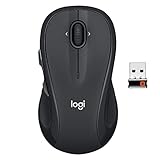
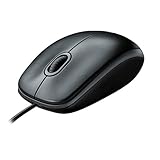
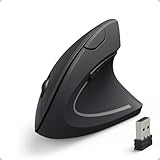
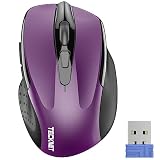
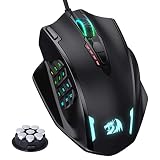
A 1000Hz polling rate has long been the benchmark for a responsive gaming mouse. It means the device reports its position to your PC a thousand times per second, translating to roughly 1ms of latency between your hand moving and the cursor reacting. For competitive play, that consistency is the foundation everything else is built on.
This review looks at what a 1000Hz gaming mouse delivers, why polling rate matters less than marketing suggests once you clear that bar, and how popular models from Logitech, Razer, Redragon, and AULA compare on the metrics that actually win games.
As an Amazon Associate we earn from qualifying purchases at no extra cost to you. Product prices and availability are accurate as of the date shown and are subject to change.



🎮 Get More From Your Setup — Free
Prime Gaming gives you free PC games every month, in-game loot, and a free Twitch channel sub — plus fast free shipping on all the gear above. New members get a 30-day free trial.
Watch: 1000hz Gaming Mouse — Video Review
Design & Build
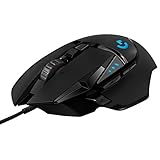
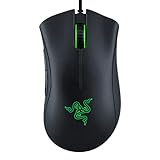
The field here spans classic ergonomic shapes and lightweight designs. The Logitech G502 Hero is the heavyweight veteran with adjustable weights and a sculpted right-handed body, while the G203 and Razer DeathAdder Essential offer simpler, durable shells at lower prices. The Redragon M612 packs RGB and extra buttons for the money, and the featherweight Razer Viper V3 HyperSpeed strips down to 82g for speed. Build quality across these ranges from dependable to genuinely premium.
Performance
Every mouse here clears the 1000Hz bar, so the differences come down to sensor quality, weight, and button feel. The G502 Hero’s sensor is precise and endlessly configurable; the DeathAdder Essential nails a reliable, no-nonsense aim experience; and the Viper V3 HyperSpeed adds wireless freedom without sacrificing responsiveness. The AULA SC580 offers tri-mode connectivity and 12000 DPI for those who want flexibility, while the Redragon M612’s 8000 DPI and remappable keys punch above its price.
Pros & Cons
- Consistent 1ms responsiveness for competitive play.
- Wide price range from budget to premium.
- Options for every grip, from heavy ergonomic to ultralight.
- Wired and wireless choices that both hit 1000Hz.
- Polling rate alone isn’t everything; sensor and shape matter more.
- Heavier models like the G502 tire some hands over long sessions.
Alternatives to Consider
If you want the absolute lowest latency, newer 4000Hz and 8000Hz polling mice exist, though the real-world benefit over 1000Hz is marginal for most players. For a budget all-rounder, the Redragon M612 is remarkable value. If wireless is a priority, the Razer Viper V3 HyperSpeed delivers pro-grade performance at a low weight. Grip style should drive your final pick more than raw specs.
Related Guides
- Best Wireless Mouse For Work (2026)
- Best Computer Mouse Wired (2026)
- Best Mouse For Coding (2026)
- Best Gaming Mouse Side Buttons (2026)
- Mouse Comparisons (2026)
Frequently Asked Questions
Does 1000Hz make me a better gamer?
It removes a source of inconsistency, giving smoother, more predictable tracking. Skill still matters most, but a good foundation helps.
Is higher than 1000Hz worth it?
For the vast majority of players, no. The improvement over 1000Hz is tiny and hard to perceive without high-refresh hardware.
Wired or wireless for competitive play?
Modern wireless like the Viper V3 HyperSpeed is effectively as fast as wired, so choose based on cable preference and budget.
How much DPI do I actually need?
Most players use 400-1600 DPI. High numbers like 12000 are useful headroom but rarely used in practice.
Verdict
A 1000Hz gaming mouse is the right baseline for anyone serious about play, and every option here meets it. The Logitech G502 Hero remains a feature-rich favorite, the Razer DeathAdder Essential is a reliable budget classic, and the Viper V3 HyperSpeed is the pick for lightweight wireless performance. Match the shape and weight to your hand, and the polling rate will take care of itself.