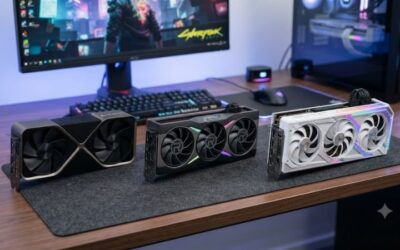
- Top Pick: ASUS ROG Astral NVIDIA GeForce RTX 5090 32GB GDDR7 OC Edition Gaming Graphics Card (PCIe 5.0, HDMI/DP 2.1, 3.8-Slot, 4-Fan Design, Axial-tech Fans, Patented Vapor Chamber), 3 Year Warranty
- Best Value: ASUS ROG Astral NVIDIA GeForce RTX 5090 32GB GDDR7 White OC Edition Gaming Graphics Card (PCIe 5.0, HDMI/DP 2.1, 3.8-Slot, 4-Fan Design, Axial Fans, Patented Vapor Chamber), 3 Year Warranty
- Premium Choice: GIGABYTE GeForce RTX 5090 WINDFORCE OC 32G Graphics Card, WINDFORCE Cooling System, 32GB 512-bit GDDR7, GV-N5090WF3OC-32GD Video Card
The GeForce RTX 5090 sits at the very top of NVIDIA’s Blackwell stack, and its 32GB of GDDR7 memory paired with a 512-bit bus makes it the most capable consumer graphics card ever built. But raw capability and real-world value are two different questions, and “worth it” depends heavily on the resolution you play at, the frame rates you chase, and whether creative or AI workloads factor into your day.
To answer honestly, we looked at how the flagship partner cards actually behave in a real system rather than on a spec sheet, comparing thermals, acoustics, physical fit, and the tangible uplift they deliver over last generation. Here is where the RTX 5090 makes sense, and where it simply doesn’t.

Prime
Editor's Pick
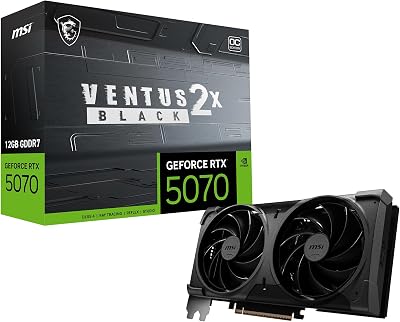
msi Gaming RTX 5070 12G Ventus 2X OC Black Graphics Card (12GB GDDR7, 192-bit, Extreme Performance: 2542 MHz, DisplayPort x3 2.1a, HDMI 2.1b, NVIDIA Blackwell Architecture)


As an Amazon Associate we earn from qualifying purchases at no extra cost to you. Product prices and availability are accurate as of the date shown and are subject to change.


🎮 Get More From Your Setup — Free
Prime Gaming gives you free PC games every month, in-game loot, and a free Twitch channel sub — plus fast free shipping on all the gear above. New members get a 30-day free trial.
Watch: Is RTX 5090 Worth It — Video Review
Design & Build
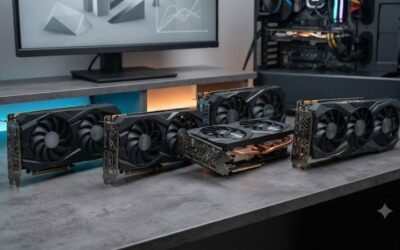
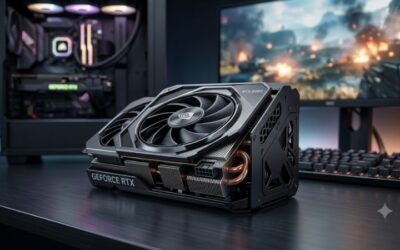
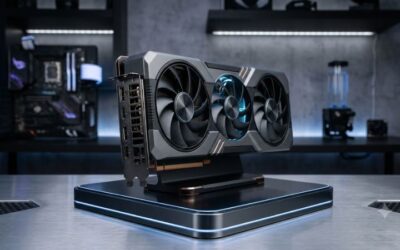
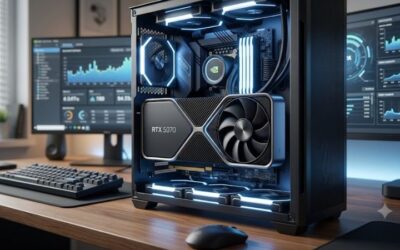
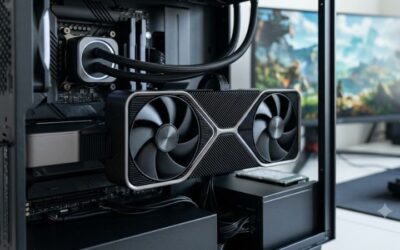
Every RTX 5090 board is a physically imposing object. The ASUS ROG Astral OC Edition stretches to a 3.8-slot, four-fan design anchored by a patented vapor chamber, and its white variant is one of the few flagship cards that looks genuinely clean in a light-themed build. GIGABYTE splits the difference with the WINDFORCE OC, which keeps to a triple-fan cooler and a slightly more manageable footprint, while the AORUS Master ICE and Stealth ICE lean into all-white aesthetics with a bundled VGA holder to fight the inevitable sag. The TUF Gaming OC trades some flair for military-grade componentry and a protective PCB coating. In every case, you must verify case clearance before buying, because these cards routinely exceed 340mm in length and demand robust support.
Performance
At 4K, the RTX 5090 is untouchable. It is the first card that lets you run path-traced titles with the full detail suite enabled and still land comfortably above 60fps, and with DLSS 4 and Multi Frame Generation the numbers climb into triple digits in supported games. The generous 32GB frame buffer is the real story for anyone who touches local AI models, 3D rendering, or high-resolution video, where it removes memory ceilings that throttle lesser cards. At 1440p and below, though, the card is frequently bottlenecked by the CPU, and the value proposition collapses. This is a 4K-and-up product, full stop.
Pros & Cons
- Unmatched 4K and path-tracing performance with meaningful headroom for future titles.
- 32GB GDDR7 is transformative for creators and AI workloads.
- Excellent cooling across partner cards keeps the GPU quiet under sustained load.
- DLSS 4 with Multi Frame Generation extends its lead in supported games.
- Very high price that only pays off at 4K or in professional use.
- Massive physical size and high power draw demand a strong PSU and roomy case.
- Overkill for 1440p, where a CPU bottleneck erases much of the benefit.
Alternatives to Consider
If you play primarily at 1440p or your budget has any limit at all, a lower-tier Blackwell card delivers a far better performance-per-dollar ratio and fits a normal case without drama. Creators who need memory but not the absolute peak of gaming performance should also weigh whether a step down still clears their VRAM requirement. The RTX 5090 is a specialist tool, and the honest alternative for most people is simply spending less.
Related Guides
- Acer Predator Helios Neo 16 RTX 4070 (2026)
- RTX 5090 Computers (2026)
- Acer Predator Helios RTX 5090 (2026)
- Acer RTX 4050 Laptop (2026)
Frequently Asked Questions
Is the RTX 5090 worth it for 1440p gaming?
Generally no. At 1440p most games become CPU-limited, so you pay for performance you can’t fully use. A mid-to-upper Blackwell card is the smarter buy at that resolution.
What power supply does the RTX 5090 need?
Plan for a high-wattage, modern ATX 3.x PSU with the native 12V-2×6 connector. A quality 1000W unit is a sensible floor for a full high-end system.
Will an RTX 5090 fit in my case?
Check length and slot clearance carefully. Many partner cards occupy nearly four slots and exceed 340mm, so measure before purchasing and use the included support bracket.
Is the 32GB of VRAM useful for gaming?
For today’s games it is more than any title needs, but it future-proofs 4K play and is genuinely valuable for AI, rendering, and heavy content-creation workflows.
Verdict
The RTX 5090 is worth it if you game at 4K, chase path-traced fidelity, or run demanding creative and AI workloads that benefit from 32GB of memory. The ASUS ROG Astral OC and GIGABYTE AORUS Master ICE are the standout builds for enthusiasts, while the TUF Gaming OC is the sensible pick for a no-nonsense flagship. For everyone gaming at 1440p or watching their budget, it is magnificent excess you don’t need.