- Top Pick: ASUS ROG Astral NVIDIA GeForce RTX 5090 32GB GDDR7 OC Edition Gaming Graphics Card (PCIe 5.0, HDMI/DP 2.1, 3.8-Slot, 4-Fan Design, Axial-tech Fans, Patented Vapor Chamber), 3 Year Warranty
- Best Value: GIGABYTE AORUS GeForce RTX 5090 Stealth ICE 32G Graphics Card, 32GB 512-bit GDDR7, PCIe 5.0, WINDFORCE Cooling System, Versatile VGA Holder, GV-N5090AORUSST ICE-32GDVideo Card
- Premium Choice: GIGABYTE GeForce RTX 5090 Gaming OC 32G Graphics Card, WINDFORCE Cooling System, 32GB 512-bit GDDR7, by NVIDIA, DisplayPort & HDMI – Video Output Interface, GV-N5090GAMING OC-32GD Video Card
The RTX 5090 arrived as the undisputed performance king of its generation, but its story has been defined almost as much by pricing turbulence as by raw power. Between constrained supply, tariff pressure, and relentless demand from gamers and AI enthusiasts alike, street prices have repeatedly drifted above MSRP, leaving buyers wondering whether now is the time to commit or hold.
This review looks past the sticker shock to answer the practical question: is the 5090 worth the premium it commands, and which board partner card should you actually buy? We evaluate the flagship’s design, real-world performance, and the trade-offs that matter when you are paying top dollar for models like the ASUS ROG Astral and GIGABYTE AORUS Master ICE.
As an Amazon Associate we earn from qualifying purchases at no extra cost to you. Product prices and availability are accurate as of the date shown and are subject to change.


🎮 Get More From Your Setup — Free
Prime Gaming gives you free PC games every month, in-game loot, and a free Twitch channel sub — plus fast free shipping on all the gear above. New members get a 30-day free trial.
Watch: Nvidia RTX 5090 Price Increases — Video Review
Design & Build
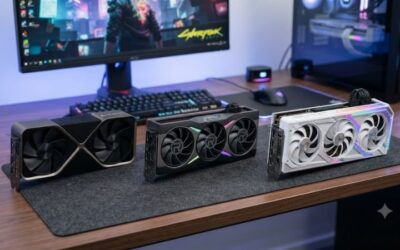
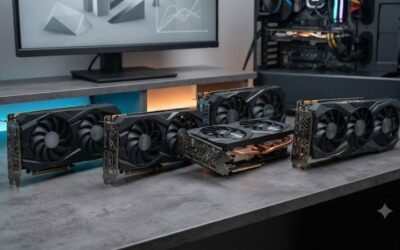
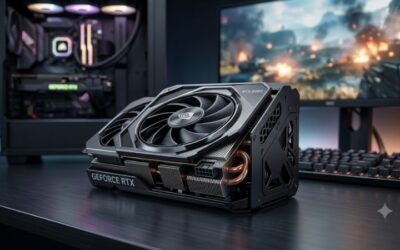
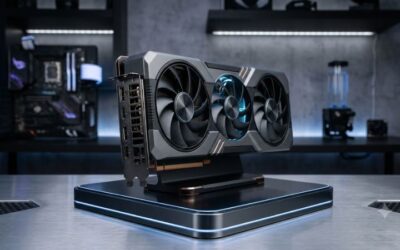
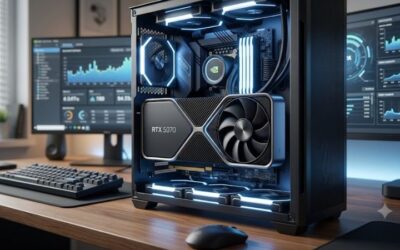
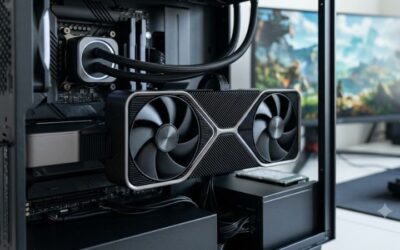
The 5090 partner cards are engineering statements. The ASUS ROG Astral RTX 5090 uses a 3.8-slot, four-fan design with a patented vapor chamber, and it is genuinely enormous, demanding a spacious case and strong support. GIGABYTE’s AORUS Master ICE and Stealth ICE variants lean into a clean white aesthetic with the WINDFORCE cooling system, while the GAMING OC and WINDFORCE OC models offer the same silicon in slightly more restrained shrouds. Build quality across these is excellent, with reinforced frames and premium PCB coatings, but you should measure your case clearance before buying because these are among the largest consumer cards ever made.
Performance
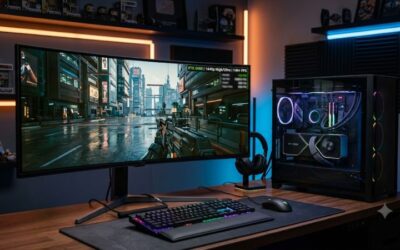
Performance is where the 5090 justifies its existence. With 32GB of GDDR7 on a 512-bit bus, it obliterates 4K workloads and enables high-refresh 4K ray tracing that lesser cards can only dream of with heavy upscaling. DLSS 4 multiplies that lead further in supported titles. Beyond gaming, the 32GB frame buffer makes it a monster for local AI, rendering, and video work, which is precisely why demand and prices stay elevated. The factory-overclocked ROG Astral and AORUS Master ICE eke out marginal gains over reference clocks, though the real differentiator is cooling and acoustics rather than dramatic frame-rate separation.
Pros & Cons
- Pro: Unmatched 4K and ray-tracing performance in the consumer space.
- Pro: 32GB GDDR7 is transformative for AI, rendering, and future-proofing.
- Pro: Excellent cooling and near-silent operation on premium partner cards.
- Pro: DLSS 4 extends an already commanding lead.
- Con: Pricing frequently sits above MSRP, hurting value.
- Con: Massive physical size and high power draw require case and PSU planning.
- Con: Overkill for anyone gaming below 4K.
Alternatives to Consider
If the 5090’s price premium stings, the RTX 5080 delivers a large share of the gaming experience for meaningfully less, and the 5070 Ti is a superb 1440p-to-4K value. For creators who specifically need the 32GB buffer, however, there is no true substitute at this tier, which is exactly why the 5090 retains its pricing power. Waiting for supply to normalize can also close the gap toward MSRP if you are not in a hurry.
Related Guides
- Nvidia Geforce RTX 5070 Super (2026)
- Nvidia RTX 5090 Gaming PC (2026)
- Best Graphic Card For Gaming PC (2026)
- PC Upgrade Graphics Card (2026)
Frequently Asked Questions
Why does the RTX 5090 cost more than its MSRP?
A combination of limited supply, strong AI and gaming demand, and import cost pressures push partner cards above the suggested price, especially premium models like the ROG Astral.
Do I need a new power supply for a 5090?
Very likely. These cards draw substantial power, so a high-wattage, quality PSU with the correct connector is strongly recommended for stability.
Is the white version worth extra?
Cards like the AORUS Stealth ICE or ROG Astral White carry an aesthetic premium only. Performance is identical to their standard-color counterparts.
Should I wait for prices to drop?
If you do not urgently need the performance, waiting can help as supply stabilizes. If you need the 32GB buffer today for AI or rendering, buying now is defensible.
Verdict
The RTX 5090 remains the fastest consumer GPU available and an outright necessity for 4K purists and local-AI creators, but its value hinges entirely on the price you pay. If you can find a well-cooled model like the ASUS ROG Astral or GIGABYTE AORUS Master ICE near MSRP, it is a landmark purchase; well above it, only those who truly need the horsepower should commit.