🛒 Best Price Today on Amazon
Prime members get fast, free shipping on everything above, plus member-only deals. New members get a 30-day free trial — cancel anytime.
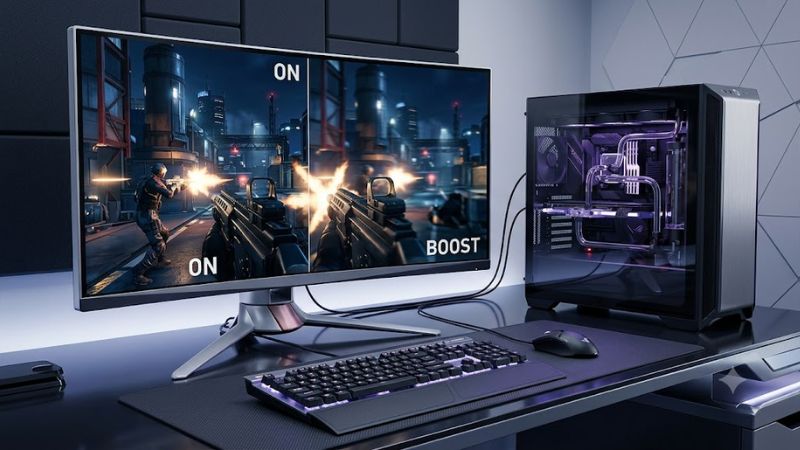
Nvidia reflex on vs boost remains a critical debate for competitive esports players looking to eliminate input lag. Choosing the correct mode ensures your mouse clicks translate instantly into fluid onscreen action. Understanding how these settings alter clock speeds and power consumption helps you select the best latency configuration.
How to Choose the Right Latency Mode
Evaluating nvidia reflex on vs boost requires analyzing how graphics pipeline queues operate under heavy render workloads. Activating standard Reflex caps render queues to prevent queue backup. Adding the boost setting prevents the graphics card from dropping clock speeds during CPU-bound scenarios for maximum responsiveness.
Target Frame Rates and GPU Bottlenecks
Graphics card load directly impacts how mouse inputs are processed before appearing on screen. When your GPU operates near full capacity, frame queues build up and cause noticeable input delay. Enabling standard Reflex dynamic queue management eliminates this queue buildup without requiring manual frame rate cap adjustments.
For players running titles at high refresh rates, managing GPU overhead is essential for smooth gameplay. Uncapped frame rates often lead to render bottlenecks that increase system latency significantly. Selecting proper Reflex configurations keeps render latency minimal while maintaining high visual clarity across fast matches.
Power Consumption and System Thermal Profiles
Comparing nvidia reflex on vs boost highlights how aggressive power management alters system thermals during gaming. Standard Reflex allows the GPU to scale down clock speeds during low-utilization scenes. The boost option forces graphics hardware to maintain maximum core clock frequencies constantly throughout gameplay sessions.
Maintaining maximum core frequencies prevents latency spikes during sudden transitions from low to high action. However, keeping the graphics card operating at full clock speeds generates higher overall power consumption and heat. Gamers with modest cooling setups must weigh this thermal trade-off against slight latency gains.
Monitor Refresh Rates and Display Syncing
High refresh rate displays require fast frame delivery to show updated game state information without motion blur. System latency compounds when display refresh rates fail to match input processing speeds. Pairing dynamic latency reduction tech with G-Sync displays produces exceptionally clean motion and rapid response times.
Proper synchronization prevents tearing while ensuring input commands register immediately on visual pixels. Competitive players often pair low latency software modes with variable refresh rate displays for optimal responsiveness. This combination provides consistent visual clarity during fast camera turns in action titles.
Game Engine Compatibility and CPU Limits
CPU performance frequently limits how rapidly draw calls are sent to the graphics processing pipeline. In heavily CPU-bound esports games, GPU clocks might drop momentarily between intense action sequences. Boost mode forces power state limits high so the graphics card remains ready to process incoming draw calls immediately.
Understanding game engine mechanics helps players determine whether additional boost mode power is beneficial. Titles featuring dense player counts or complex physics simulation benefit more from forced high clock states. Lightweight titles running at extreme frame rates usually see minimal difference between settings.
Top Picks for Low Latency Gaming
Reviewing nvidia reflex on vs boost setups requires inspecting hardware optimized for extreme competitive play. The following hardware components represent top choices for building a low-latency gaming system. Each product integrates seamlessly with latency measurement tools to deliver ultimate execution speed during tournaments.
| Product | Category | Primary Feature | Latency Impact |
| ASUS ROG Swift PG27AQN | 1440p 360Hz Monitor | Reflex Analyzer Built-in | Ultra Low Display Lag |
| NVIDIA RTX 4070 Ti Super | Graphics Card | DLSS 3 & Reflex Support | High FPS Latency Reduction |
| Logitech G PRO X SUPERLIGHT 2 | Wireless Gaming Mouse | 4K Hz Polling Rate | Sub-millisecond Input |
| MSI RTX 4080 Super Gaming X | Graphics Card | Advanced Cooling & Reflex | Zero Thermal Throttling |
ASUS ROG Swift PG27AQN Gaming Monitor
The ASUS ROG Swift PG27AQN offers exceptional visual performance tailored for fast competitive titles. Featuring a 1440p resolution and a fast 360Hz refresh rate, this display minimizes visual lag dramatically. Esports competitors benefit from its integrated Reflex Analyzer tool, which measures precise click-to-display delay.
High refresh rates combined with precise latency tracking help players tweak graphics settings effectively. The display panel delivers sharp image motion with virtually no ghosting during intense motion. Gamers aiming for top competitive ranks will appreciate the seamless integration with low-latency graphics technologies.
NVIDIA GeForce RTX 4070 Ti Super GPU
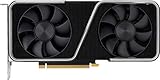
The NVIDIA GeForce RTX 4070 Ti Super graphics card provides massive rendering performance for high frame rates. Its advanced Ada Lovelace architecture delivers steady frame generation while keeping render queues completely empty. Players running heavy titles at high resolutions gain remarkable responsiveness during combat.
Testing nvidia reflex on vs boost on this specific graphics card reveals excellent clock stability during matches. The card features robust power delivery to handle sustained high clock states without overheating. Casual and competitive players alike will experience crisp motion and rapid input processing across modern titles.
Logitech G PRO X SUPERLIGHT 2 Mouse
The Logitech G PRO X SUPERLIGHT 2 wireless mouse delivers ultra-lightweight handling and sub-millisecond tracking. Equipping advanced HERO 2 sensors, it registers mouse movement with absolute precision across fast mouse pads. Low click latency ensures physical actions convert immediately into game commands without delay.
A lightweight construction reduces wrist fatigue during extended competitive gaming sessions. Paired with high polling rates, this peripheral helps maintain consistent aiming accuracy in target-tracking shooters. Serious gamers will find its wireless reliability comparable to traditional high-speed wired peripheral connections.
MSI Gaming GeForce RTX 4080 Super GPU
The MSI Gaming GeForce RTX 4080 Super features elite cooling technology designed to maintain optimal GPU temps. Its massive heatsink and dynamic fan profiles keep thermal output under tight control during load. High thermal headroom allows graphics clocks to remain elevated without experiencing thermal throttling spikes.
Gamers seeking uncompromised frame rates at 4K resolution will find this graphics card ideal for their rigs. Low render queues ensure that heavy graphical workloads do not degrade input responsiveness during action. Superior power efficiency makes it a fantastic foundation for competitive setups focusing on performance.
Frequently Asked Questions About Latency
Addressing nvidia reflex on vs boost questions helps clarify common misconceptions about system performance. Many gamers wonder if forced clock speeds damage hardware or consume excessive electrical power. The following answers detail how these latency modes interact with hardware components and various modern game engines.
Does Reflex Increase Power Usage and Heat?
Analyzing nvidia reflex on vs boost power consumption shows that enabling boost prevents GPU power saving states. When boost mode is active, power usage remains higher during quiet gameplay moments to prevent clock drops. However, overall power output remains within official hardware specifications without causing component damage.
Thermal output increases slightly when graphics hardware runs at forced high frequencies continuously. Adequate PC case airflow and efficient GPU coolers easily handle this extra thermal output during gaming sessions. Gamers on laptop devices might prefer standard Reflex to preserve battery life and manage heat fan noise.
Can Reflex Work Alongside Frame Generation?
Modern frame generation technologies add synthesized frames into the rendering pipeline to increase visual smoothness. While extra frames improve motion clarity, synthetic frame creation can introduce minor input latency delays. Enabling built-in Reflex technology offsets this latency penalty to keep gameplay feeling responsive.
Combining frame generation with active latency management ensures smooth visuals without sacrificing control speed. Developers design these combined technologies to work together automatically in supported game titles. Players can enjoy elevated frame rates alongside responsive click reactions across modern gaming titles.
Should Esports Players Always Select Boost Mode?
Esports players running competitive titles at extreme refresh rates often prefer forced boost mode settings. The primary advantage is eliminating transient clock speed drops during sudden chaotic in-game firefights. By keeping GPU clocks pegged at maximum levels, response times remain completely predictable throughout matches.
Choosing nvidia reflex on vs boost ultimate mode depends heavily on individual gaming priorities and system cooling. Players competing for money or rank usually favor boost mode for maximum consistency during combat. Casual players can stick with standard Reflex to balance swift input responsiveness with energy efficiency.
Final Thoughts
Deciding between nvidia reflex on vs boost comes down to balancing system thermals against input consistency. Standard Reflex offers excellent latency reduction for most gamers without increasing power output. Enable boost mode when competing in fast esports games where absolute clock speed stability delivers a winning edge.
As an Amazon Associate we earn from qualifying purchases at no extra cost to you.