- Top Pick: ASUS ROG Strix G16 (2025) Gaming Laptop, 16” FHD+ 16:10 165Hz/3ms, NVIDIA® GeForce RTX™ 5060, Intel® Core™ i7 Processor 14650HX, 16GB DDR5, 1TB Gen 4 SSD, Wi-Fi 7, Windows 11 Home, G615JMR-AS74
- Best Value: msi Katana 15 15.6” 165Hz QHD Gaming Laptop: Intel Core i7-13620H, NVIDIA Geforce RTX 4070, 16GB DDR5, 1TB NVMe SSD, Cooler Boost 5, Win 11: Black B13VGK-2000US
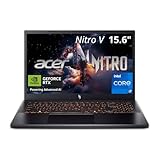
- Premium Choice: acer Nitro V 15.6” FHD IPS 165Hz Gaming Laptop, Intel Core i5-13420H, NVIDIA GeForce RTX 5050 with 8GB GDDR7 VRAM, Win11H, w/Mouse pad (16GB RAM, 512GB PCIe SSD)
Shopping for a gaming laptop under $1500 in 2026 means walking a narrow line. Spend too little and you end up with a machine that’s already struggling at 1080p by the time the next wave of AAA titles lands. Spend too much and you’re paying a premium for a chassis, RGB lighting, or an OLED panel that does nothing for your frame rates. The real difficulty is that spec sheets have become genuinely misleading — two laptops with the same GPU name can differ by 25% or more in real-world performance depending on how much power the cooling system actually lets that chip draw.
This guide cuts through that. We’ve focused on machines that deliver the best sustained performance per dollar, prioritizing GPU power, thermal headroom, and display quality over marketing gimmicks. Every pick below is a realistic buy under $1500, and we’ve explained exactly who each one is for — whether you’re chasing high-refresh esports frame rates, want a QHD panel for single-player games, or simply need the most capable GPU your budget will stretch to.
As an Amazon Associate we earn from qualifying purchases at no extra cost to you. Product prices and availability are accurate as of the date shown and are subject to change.


⚡ Save on Your Next PC — Amazon Prime
Prime members get fast free shipping on the systems above, plus early access to Prime Day & Black Friday PC deals. New members get a 30-day free trial.
Watch: Best Gaming Laptop Under $1500 — Video Review
How to Choose Gaming Laptop Under $1500
- Prioritize the GPU above everything else: Your graphics card determines your frame rates far more than your CPU does. In this bracket, an RTX 5060 or RTX 4070 is the sweet spot — stepping down to an RTX 5050 saves money but noticeably limits you at higher settings.
- Check the GPU’s power limit, not just its name: Manufacturers configure the same chip at wildly different wattages. A well-cooled laptop running its GPU at full power will outperform a thin, thermally limited machine with an identical spec sheet, so look for reviews that mention sustained performance.
- Match your resolution to your GPU: A 1080p or 1200p panel lets a mid-range GPU hit high frame rates comfortably. QHD looks sharper but demands roughly 60% more GPU work, so only choose it if you’re getting an RTX 4070-class card or better.
- Don’t settle below 16GB RAM and 512GB storage: 16GB of DDR5 is the practical minimum for modern titles running alongside a browser and Discord. A 1TB SSD is worth paying for if you install more than three or four large games, since modern AAA titles routinely exceed 100GB each.
- Weigh refresh rate against panel quality: 144Hz and 165Hz IPS panels are standard here and both feel excellent. Beyond that, check for decent color coverage and brightness — a fast panel with washed-out colors is a poor trade for most people.
The Best Picks Reviewed
ASUS ROG Strix G16 (2025)
The Strix G16 pairs an RTX 5060 with a 14th-gen Core i7-14650HX and a 165Hz 16:10 display, and crucially, ASUS gives the GPU enough thermal and power headroom to actually stretch its legs. With 16GB of DDR5 and a 1TB Gen 4 SSD as standard, it’s the most complete package in this price range and our overall recommendation.
MSI Katana 15
This is the only laptop here with an RTX 4070, and that extra GPU muscle makes it the right choice if you want to game at the native QHD resolution of its 165Hz panel. The i7-13620H is a generation behind, but in GPU-bound gaming that gap barely registers — you’re getting the strongest graphics performance per dollar on this list.
GIGABYTE Gaming A16
GIGABYTE’s A16 delivers a near-identical core spec to the ROG Strix — RTX 5060, 16GB DDR5, 1TB SSD, 165Hz WUXGA display — usually at a lower price. The build quality is a step below the ASUS and the fans get loud under load, but as a pure value proposition it’s hard to argue with.
Lenovo LOQ 15.6″
The LOQ pairs an RTX 5060 with a Ryzen 7 250, making it the cheapest route to that GPU tier and an excellent fit for esports titles on its 144Hz panel. The 512GB SSD is the main compromise, though it’s easily upgraded later if you’re comfortable with a screwdriver.
Alienware 16 Aurora
Alienware’s most affordable 16-inch model brings genuinely premium build quality and a large chassis with room for proper cooling. The RTX 5050 is the weakest GPU here, so it’s best suited to buyers who value the design, keyboard, and thermal engineering over raw frame rates.
Frequently Asked Questions
Is $1500 enough for a good gaming laptop in 2026?
Absolutely. This budget comfortably buys an RTX 5060 or RTX 4070-class machine that will run virtually every current title at high settings at 1080p or 1200p, and most at QHD with some adjustment. You’re only really compromising on ray tracing at maximum settings and 4K gaming.
Should I choose an RTX 5060 or an RTX 4070?
The RTX 4070 generally holds a modest raw performance edge and comes with more VRAM headroom in demanding titles, while the RTX 5060 brings newer architecture features and better efficiency. If you’re gaming at QHD, lean toward the 4070; at 1080p or 1200p, either will serve you well.
How much RAM and storage do I actually need?
16GB of RAM is the right target — 8GB causes stuttering in modern games, and 32GB offers little benefit for gaming alone. For storage, 512GB works if you’re selective about what you install, but 1TB is the more comfortable choice given how large modern game installs have become.
Are these laptops upgradeable?
Most gaming laptops in this range let you replace or add RAM and swap the SSD, and several include a spare M.2 slot. The GPU and CPU are soldered and cannot be changed, which is why choosing the right graphics card at purchase matters so much.
Final Thoughts
For most buyers, the ASUS ROG Strix G16 is the pick we’d make ourselves — it combines a strong RTX 5060 configuration, generous 1TB storage, and cooling that lets the hardware perform to its potential. If you specifically want to game at QHD, the MSI Katana 15 and its RTX 4070 is the better buy, while the Lenovo LOQ is the smartest choice for anyone trying to spend as little as possible without dropping below the RTX 5060 tier.