
- Top Pick: Evounic Gaming Desktop PC Computer Liquid Cooled 12-Core Processor, GeForce RTX 4060 GDDR6, 64GB RAM, 512GB NVMe SSD + 1TB HDD, WiFi 6 & BT 5.4, 7× ARGB Fans, 650W PSU, Windows 11
- Best Value: Skytech Gaming Storm Gaming PC, AMD Ryzen 5 5500 3.6GHz, NVIDIA RTX 5060 Ti 8GB VRAM, 1TB NVMe SSD, 16GB DDR4 RAM 3200, 650W Gold PSU, WI-FI 5, Windows 11, Desktop
- Premium Choice: ASUS ROG G700 (2026) Gaming Desktop PC, Intel® Core™ Ultra 7 265KF Processor, NVIDIA® GeForce RTX™ 5070Ti, 1TB M.2 NVMe™ PCIe® 4 SSD, 32GB DDR5 RAM, Windows 11 Home, G700TF-PB776Ti
Building or buying a gaming PC around the $1,000 mark used to mean compromise—settle for last-gen parts, skip the SSD, or accept a case full of cheap fans and little else. In 2026, that’s no longer true. Component prices have shifted enough that a genuine 1440p-capable rig with a current-generation GPU, fast NVMe storage, and modern DDR5 memory is well within reach, but only if you know which prebuilts are worth your money and which are cutting corners you can’t see in a spec sheet.
This guide breaks down six of the strongest $1,000-class gaming desktops available right now, what actually matters when comparing them, and honest takes on where each one shines or falls short—so you can buy once and skip the upgrade regret.

Prime
Best Seller
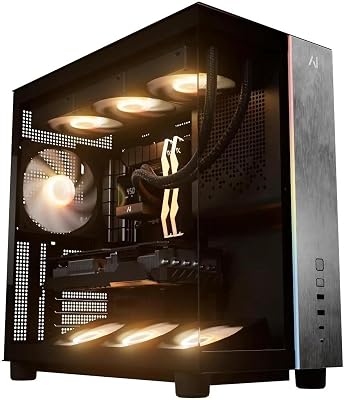
MXZ Gaming PC Desktop Computer, AMD Ryzen 5 5600X, RTX 4070, 16GB DDR4, NVME 1 T SSD, 6RGB Fans, Win 11 Pro Ready, Gamer Desktop Computer(R5 5600X| RTX4070)


As an Amazon Associate we earn from qualifying purchases at no extra cost to you. Product prices and availability are accurate as of the date shown and are subject to change.




🎮 Get More From Your Setup — Free
Prime Gaming gives you free PC games every month, in-game loot, and a free Twitch channel sub — plus fast free shipping on all the gear above. New members get a 30-day free trial.
Watch: Best 1000 Dollar Gaming PC — Video Review
How to Choose a $1000 Gaming PC (2026)
- GPU generation: Prioritize current-gen cards like the RTX 5060/5060 Ti or 5070 over older RTX 4060 builds—driver support and efficiency gains add up over a multi-year ownership window.
- CPU-GPU balance: Don’t pair a weak CPU with a strong GPU or vice versa; look for a matched tier (e.g., Ryzen 7 or Core Ultra 7 with a 5060 Ti/5070-class card) to avoid bottlenecks.
- RAM capacity and speed: 32GB DDR5 is the new sweet spot for gaming plus streaming or multitasking; 16GB DDR4 builds are fine for pure gaming but will feel dated sooner.
- Storage layout: A 1TB NVMe SSD should be the minimum; systems that add a secondary HDD give you cheap bulk storage without sacrificing boot and load speeds.
- Cooling and PSU headroom: Liquid cooling and a Gold-rated 650W+ PSU matter more than RGB count—they determine long-term stability and whether you can upgrade the GPU later.
The Best $1000 Gaming PC (2026)s Reviewed
Evounic Gaming Desktop
The Evounic pairs a 12-core CPU with an RTX 4060 and a genuinely generous 64GB of RAM plus dual storage, making it the best pick for buyers who multitask, stream, or run heavy background apps alongside games.
Skytech Storm
Skytech’s Storm leans on the newer RTX 5060 Ti for solid 1440p performance, though the Ryzen 5 5500 and 16GB of DDR4 mean it’s better suited to gaming-first builds than heavy multitasking.
ASUS ROG G700
The ROG G700 is the most premium build here, combining a Core Ultra 7 265KF with an RTX 5070 Ti and 32GB DDR5—it stretches the budget but delivers performance closer to a $1,300 rig.
Skytech Rampage
The Rampage matches an Ultra 7 CPU with the same RTX 5060 Ti found in the Storm, but doubles the RAM to 32GB, making it a stronger all-around value for the price.
STORMCRAFT Falcon
The Falcon’s Ryzen 7 7800X3D and RTX 5070 combo is arguably the best gaming-performance-per-dollar pairing on this list, especially for CPU-sensitive titles and competitive esports frame rates.
Related Guides
- Best Gaming PCs for VR in 2026: Top 5 Picks (Universe Guide)
- Best Microsoft Xbox Wireless Controller in 2026: Complete Buyer's Guide
- Best Gaming PC Upgrades (2026)
- Best Streaming Gaming PCs (2026 Guide)
Frequently Asked Questions
Can a $1,000 gaming PC handle 1440p gaming?
Yes—builds with an RTX 5060 Ti, 5070, or 5070 Ti (like the Skytech Rampage, STORMCRAFT Falcon, or ASUS ROG G700) comfortably handle 1440p at high settings in most current titles.
Is DDR5 worth paying extra for over DDR4?
For gaming alone the difference is modest, but DDR5 builds age better and pair more efficiently with newer CPUs, so it’s worth prioritizing if two options are otherwise similar.
Do I need a secondary hard drive alongside the SSD?
Not strictly, but it’s a nice bonus—an SSD-only 1TB build is plenty for most gamers, while an added HDD (like on the Evounic) is useful if you store large game libraries or media files.
How much does the CPU matter if I’m mainly gaming?
More than people expect—CPUs like the Ryzen 7 7800X3D or Core Ultra 7 reduce bottlenecking in CPU-heavy games and keep frame rates stable, so don’t buy on GPU alone.
Final Thoughts
For most buyers, the Skytech Rampage offers the best balance of modern GPU performance and RAM for the price, while the STORMCRAFT Falcon is the top choice if raw gaming performance and CPU strength matter most. If your budget can flex slightly and you want the most future-proof build, the ASUS ROG G700 is worth the stretch.


