Keeping a gaming PC performing well requires regular software maintenance for the display adapter. When you update graphics drivers, the operating system receives fresh instructions that allow modern titles to utilize GPU hardware efficiently. Proper maintenance prevents memory leaks, rendering glitches, and sudden frame drops in demanding DirectX 12 titles.
What Updating Graphics Drivers Really Comes Down To
Modern display packages serve as the primary bridge between game engines and hardware pipelines. When you update graphics drivers, new instruction sets allow graphics cards to handle shaders, texture streaming, and ray tracing pipelines efficiently. Fresh builds resolve platform bugs, improve frame pacing, and maintain overall system stability.
Driver Packages and Display Pipeline Communication
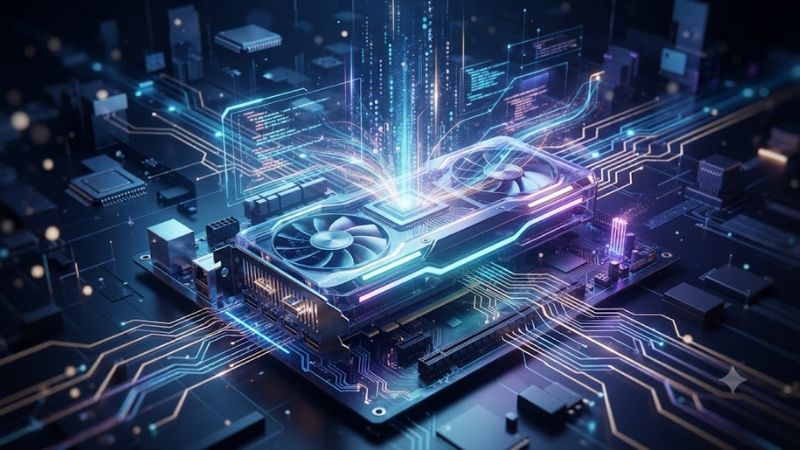
Display software translates high-level graphics code from games into machine code for the graphics processor. Operating systems like Windows 11 rely on these software layers to handle memory allocation, video decoding, and frame presentation. Outdated packages cause timing desynchronization, which manifests as screen tearing or severe stuttering.
Vendor releases from NVIDIA, AMD, and Intel adjust low-level registers to ensure efficient power draw and thermal targets. Systems using PCIe 4.0 x16 interfaces need current software to maintain high bandwidth data transfers between system RAM and VRAM. Without periodic updates, driver overhead increases CPU usage and reduces overall system efficiency.
Shader Compilation and Game API Optimization
Modern DirectX 12 and Vulkan titles compile shaders on the fly or pre-compile them during initial launch screens. Modern driver updates include pre-compiled shader caches for new game releases, which prevents severe stuttering during exploration. Gamers who update graphics drivers regularly avoid initial load hitches in massive open-world titles.
Game studios partner with GPU manufacturers months before a major title launches to refine code paths. Driver updates ship with specific profiles that optimize thread scheduling across compute units in graphics cards. Benchmark testing in Cyberpunk 2077 at 1440p High settings shows up to an eight percent frame rate gain from day-one patch drivers.
Bug Fixes and Hardware Feature Compatibility
Beyond raw frame rates, decisions to update graphics drivers address visual artifacts, texture flickering, and desktop crashes. Edge-case bugs in specific display engine configurations often require targeted driver patches to prevent hardware timeouts. Maintaining current software protects display pipelines against crash logs in Event Viewer.
New platform features like NVIDIA DLSS 3.5 frame generation or AMD FidelityFX Super Resolution 3 require modern software support. Updating software enables compatibility for variable refresh rate displays over DisplayPort 1.4 or HDMI 2.1 outputs. Keeping display software current ensures compatibility with modern high refresh rate monitors.
What Does Not Help When Updating Drivers
Installing third-party automated driver updaters rarely provides performance gains and often introduces system instability. Generic software tools often fetch incorrect inf files that overwrite display adapter configurations. Manual installation from primary vendor portals ensures clean package integrity without background bloatware.
Attempting to boost frame rates by running registry cleaner scripts or modifying Windows system files is ineffective. These utilities do not alter GPU architecture instructions or increase display memory bandwidth. System stability depends on verified display driver builds rather than dangerous modifications to key system registry hives.
How to Update Graphics Drivers: Step by Step
When you update graphics drivers, following a structured approach prevents driver corruption and installation errors. Following a proper sequence ensures clean file extraction, registry clearing, and clean installation of fresh display packages. The reference table below details key settings, system locations, operational effects, and risks.
| Setting | Where | Effect | Risk | | Driver Version Check | Windows Device Manager | Identifies active GPU model and current driver release | Low (read-only verification, undo by closing window) | | Official Package Download | Vendor Portal (NVIDIA/AMD/Intel) | Fetches verified WHQL installer executable file | Low (verify download hash, delete file to undo) | | Display Driver Cleanup | Windows Safe Mode via DDU | Removes residual registry entries and leftover files | Moderate (creates system restore point, restore if needed) | | Clean Driver Install | Manufacturer Setup Executable | Installs core display driver, control panel, and audio | Low (use installer roll-back option if issues occur) |
Identifying System GPU and Driver Version
Before downloading new files, you must verify your exact graphics hardware model and active driver version. Right-click the Windows Start menu button, select Device Manager, and expand the Display Adapters dropdown category. Double-clicking your GPU reveals driver details, driver date, and exact version number under the Driver tab.
Alternatively, launch the Task Manager utility using Control plus Shift plus Escape and navigate to the Performance tab. Selecting GPU displays total dedicated VRAM, hardware model, and driver revision. Knowing these details helps you choose between Game Ready or Studio packages on manufacturer portals without downloading wrong files.
Downloading Official Drivers from Vendor Portals
Always fetch display software directly from official portals provided by NVIDIA, AMD, or Intel. Avoid third-party distribution sites that bundle unwanted software utilities or altered installer files. Select your specific GPU series, operating system architecture, and preferred driver type before starting the downloading process.
When choosing to update graphics drivers manually, select WHQL certified packages for maximum system stability. WHQL certification indicates Microsoft testing for operating system compatibility and stability. Store the installer executable file on your main system drive for fast access during the offline installation procedure.
Performing Clean Installation with DDU
For persistent stability issues or GPU vendor upgrades, Display Driver Uninstaller provides a complete clean slate. Boot Windows into Safe Mode to prevent background system processes from locking active display files. Run DDU to remove leftover registry keys, library files, and custom display profiles from previous driver builds.
DDU automatically creates a system restore point before wiping display driver files from system folders. Disconnect network access prior to restarting to prevent Windows Update from installing generic display drivers automatically. Once rebooted into standard Windows, launch the vendor setup executable to begin a clean installation.
Configuring Control Panel and Verifying Stability
After setup finishes, open the GPU control panel software to reconfigure preferred display settings and refresh rates. Ensure G-Sync or FreeSync variable refresh rate options are active for your connected monitor. Check display resolution and color depth settings in Windows Settings under System Display to confirm full native support.
Verify new driver stability by running built-in game benchmarks or monitoring system behavior in MSI Afterburner. Check GPU temperature, core clock speeds, and VRAM usage under full load to confirm normal operational targets. Opening Microsoft Event Viewer helps confirm that display driver TDR timeouts no longer occur during gaming.
Frequently Asked Questions
The decision to update graphics drivers often raises questions regarding update frequency, stability impacts, and troubleshooting procedures. The following responses address common inquiries regarding display software maintenance on Windows systems. Each section outlines verified procedures to help maintain system reliability and performance.
How Often Should Graphics Drivers Be Updated?
You should update graphics drivers every one to two months or whenever playing newly released AAA titles. Major game launches usually coincide with optimized driver releases designed for specific game engines. If your system runs existing games stably without bugs, monthly updates are sufficient for maintaining operating system compatibility.
Competitive esports players often update immediately to gain latency improvements provided by Reflex or Anti-Lag technologies. However, workstation users prioritizing stability may prefer staying on established WHQL releases for longer periods. Checking release notes before updating helps determine if a patch includes relevant bug fixes.
Does Updating Graphics Drivers Increase Frame Rates?
Updating software increases frame rates significantly in newly released games but yields minor gains in older titles. Day-one driver patches optimize shader compilation and thread usage, delivering up to ten percent higher performance in new releases. For mature games, driver releases focus primarily on stability, bug fixes, and frame pacing.
Hardware architecture limitations still define maximum overall frame output across high resolution gaming setups. Software updates cannot overcome physical bottlenecks caused by thermal throttling or insufficient dedicated VRAM. Combining fresh drivers with optimized in-game settings yields the best balance of visual fidelity and frame rate.
Should Old Graphics Drivers Be Uninstalled First?
Uninstalling old drivers is not mandatory for routine updates, but it prevents residual file corruption during major upgrades. Standard express installers overwrite existing files safely during regular version updates. However, switching GPU vendors from AMD to NVIDIA requires a full uninstallation using DDU to avoid driver conflicts.
If you experience black screens, stuttering, or game crashes after standard installation, perform a clean install. Selecting the Clean Install option in the installer wipes existing user preferences and resets control panel settings. This step cleans corrupted profile entries without requiring manual deletion of core system registry files.
What Should Be Done If a Driver Update Causes Crashes?
If a fresh update causes system instability, roll back to the previous stable driver build immediately. Open Windows Device Manager, right-click your display adapter, select Properties, and click Roll Back Driver under the Driver tab. Alternatively, download the previous WHQL driver version from the vendor archive and perform a clean install.
When troubleshooting persistent crashes, boot into Safe Mode and run DDU to wipe corrupted installation files cleanly. Check system temperature using HWiNFO64 to verify that crashes stem from driver issues rather than thermal hardware throttling. Reporting specific driver bugs on vendor forums helps engineers patch issues in subsequent updates.
Final Thoughts
Maintaining current display software is a foundational practice for smooth gaming performance on Windows 11 systems. Knowing when and how to update graphics drivers ensures your GPU operates efficiently across new game releases and standard applications. Regular driver maintenance delivers optimal frame pacing, stability, and security.