Shopping for a gaming mouse under $50 is trickier than it looks. The budget tier is crowded with lookalike shells, inflated DPI claims, and sensors that drift the moment a match gets tense — and the marketing copy rarely tells you which corners were cut. Meanwhile, the genuinely good sub-$50 options are often older flagships that have quietly aged into bargains, which means the best value isn’t always the newest model on the shelf.
This guide cuts through that noise. Below you’ll find our picks for the best gaming mice you can realistically buy for under $50 in 2026, along with a short buyer’s checklist and answers to the questions we get asked most. Every recommendation here is chosen for sensor quality, build durability, and long-term comfort — not spec-sheet theater. Where a mouse sits near the top of the budget, we say why it earns the extra dollars.
As an Amazon Associate we earn from qualifying purchases.




⚡ Save on Your Next PC — Amazon Prime
Prime members get fast free shipping on the systems above, plus early access to Prime Day & Black Friday PC deals. New members get a 30-day free trial.
Watch: Best Gaming Mouse Under $50 — Video Review
How to Choose Gaming Mouse Under $50
- Sensor quality over DPI numbers: Anything above 8,000 DPI is marketing. What matters is a modern optical sensor with consistent tracking and no smoothing or angle snapping — most players actually game between 400 and 1,600 DPI.
- Grip style and hand size: Palm grippers and larger hands want a taller, fuller shell; claw and fingertip players benefit from something shorter and lighter. Measure your hand from wrist crease to middle fingertip before you buy — it’s the single best predictor of comfort.
- Weight and cable: Under $50, lighter is usually better, and a flexible paracord-style cable removes most of the drag that makes wired mice feel sluggish. A stiff rubber cable can ruin an otherwise excellent mouse.
- Switch and build durability: Look for rated mechanical switches and a shell with no flex when you squeeze it. Budget mice live or die on their main clicks — double-clicking after eight months is the most common failure at this price.
- Software and onboard memory: Onboard profiles let you keep your DPI and macros when you move between PCs, and lightweight software is a genuine advantage. Avoid mice that require a permanently running background app just to hold settings.
The Best Picks Reviewed
Logitech G305 Lightspeed
The G305 remains the most convincing argument that wireless gaming doesn’t require a premium budget — Lightspeed latency is genuinely indistinguishable from wired, and the HERO sensor tracks flawlessly. Battery life measured in hundreds of hours on a single AA is the practical bonus that keeps it in our top spot year after year.
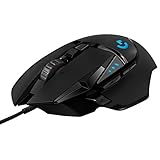
Logitech G502 Hero
If you play anything with an ability bar, the G502’s eleven programmable buttons and free-spin scroll wheel make it a genuine productivity tool as much as a gaming mouse. It’s heavier than modern trends allow, but for palm-grip MMO and strategy players that heft feels like control rather than drag.
Razer Basilisk V3
The Basilisk V3 punches well above its price with a superb 26K sensor, a smart HyperScroll wheel that switches between tactile and free-spin, and an ergonomic shell that supports the hand properly during long sessions. It’s the pick for anyone who wants flagship feel without flagship pricing.
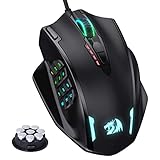
Redragon M612
At the very bottom of the budget, the M612 delivers a competent 8,000 DPI optical sensor, remappable buttons, and RGB for a fraction of what the name brands charge. The plastics and switches aren’t in the same league, but as a first gaming mouse or a reliable spare, the value is hard to argue with.
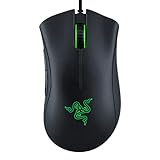
Razer DeathAdder Essential
The DeathAdder shape has been the default ergonomic benchmark for over a decade, and the Essential distills it down to the parts that matter: a proven right-handed shell, a clean 6,400 DPI sensor, and switches that hold up. Nothing here is flashy, and that’s precisely the appeal.
Frequently Asked Questions
Is a wireless gaming mouse worth it under $50?
Yes, but only from a manufacturer with a proven low-latency protocol. The Logitech G305 is the standout example — most other sub-$50 wireless mice use generic modules with noticeable inconsistency, so if wireless isn’t available from a trusted brand at your budget, a good wired mouse is the safer buy.
Does higher DPI make me a better player?
No. DPI simply determines how far the cursor travels per inch of mouse movement, and the vast majority of competitive players sit between 400 and 1,600 DPI. Sensor consistency, a comfortable shell, and stable aim habits matter far more than a headline number.
How long should a budget gaming mouse last?
A well-built sub-$50 mouse from a major brand should comfortably last two to four years of daily use. The usual failure point is the main click switch developing a double-click, so prioritise models with rated mechanical switches and check the warranty length before you buy.
Do I need the manufacturer’s software?
Only for initial setup, ideally. Mice with onboard memory let you configure DPI stages, lighting, and button bindings once, then uninstall the software entirely — a real advantage if you don’t want another background process competing for resources during a match.
Final Thoughts
For most players, the Logitech G305 Lightspeed is the smartest sub-$50 purchase in 2026 — it’s the rare budget mouse that makes no meaningful compromise on sensor or latency. If you prefer a wired connection with a richer feature set, the Razer Basilisk V3 offers close to flagship performance and one of the best scroll wheels at any price, while the Logitech G502 Hero remains the go-to for MMO and strategy players who need every button they can get. All three are proven, well-supported, and comfortably within budget.