🛒 Best Price Today on Amazon
Prime members get fast, free shipping on everything above, plus member-only deals. New members get a 30-day free trial — cancel anytime.
- Top Fpga Clone Consoles Picks for 2026
- Community Criteria: What We Look For in FPGA Hardware
- Quick Reference Table: Community Rankings
- 1. MiSTer FPGA — The Community’s Top Pick
- 2. Analogue Pocket — The Best Handheld FPGA Ever Made
- 3. Analogue Nt mini noir — The NES Collector’s Holy Grail
- 4. Analogue Super Nt — The SNES Reference Standard
- 5. Analogue 3D — The N64 Renaissance
- 6. Analogue Mega Sg — Genesis and Master System Perfection
- 7. Analogue Duo — The PC Engine Champion
- Setup Tips From the Community
- Community FAQ
- Community Verdict: The Top Pick for 2026
- Related Articles
- Related Articles
- Frequently Asked Questions
- About the Author
- Related Articles
- Related Guides
Quick answer: Our top pick in 2026 is the MiSTer FPGA (DE10-Nano) — our #1 rated choice. See the full ranked comparison, alternatives and buying advice below.
Top Fpga Clone Consoles Picks for 2026
Here are our current top fpga clone consoles picks, compared on real Amazon owner reviews, price, and features. Live prices update below.
Affiliate disclosure: As an Amazon Associate we earn from qualifying purchases. This post contains affiliate links — we may earn a small commission at no extra cost to you. This never affects our picks.
If you spend any time on retro gaming Discord servers, subreddits, or forum communities in 2026, one topic dominates the FPGA discussion: which clone console deserves your money in a market that has finally exploded into mainstream availability. The PCGamingUniverse community — made up of collectors, modders, and developers who have been following the FPGA scene since the original Kevin Horton designs and the early MiSTer days — has accumulated a substantial collective experience with every major platform on the market. This guide distills that community wisdom into actionable picks for 2026.
The community consensus on FPGA gaming has evolved significantly over the past three years. What used to be a fringe pursuit of cycle-accurate purity has matured into mainstream acceptance, helped by Analogue’s polished consumer hardware bringing FPGA technology to people who would never assemble a MiSTer from parts. The result is a marketplace where you have legitimate choices: buy a polished consumer device that plays original cartridges, build a flexible DIY platform that covers hundreds of systems, or assemble both for different use cases. Our community spans all three camps and represents thousands of hours of collective testing.
The reason FPGA matters in 2026 — and the reason the community keeps voting it as the future of retro gaming — comes down to authenticity meeting accessibility. Original 1990s hardware is aging out. Capacitors fail in original Sega Genesis units, Nintendo 64 controllers develop stick issues, PC Engine CD drives die, Famicom Disk System belts crumble. The original silicon will not last forever, and even the best maintained original consoles struggle on modern displays without expensive RGB modifications and external scalers. FPGA platforms solve the longevity problem with hardware that will work for decades, while solving the display problem with native HDMI output that respects the original art direction.
The community has also become increasingly principled about the legal framework around FPGA gaming. Every recommendation in this guide assumes you own the original cartridges you play. Analogue’s hardware supports native cartridge slots specifically so you can use your own legally-owned games. MiSTer requires you to dump your cartridges, which is a personal legal process that involves a USB cartridge dumper accessory and your own physical games. Nobody in our community recommends ROM sites, and we explicitly do not link to or condone software piracy. The hardware ecosystem works because legitimate users support it.
Community Criteria: What We Look For in FPGA Hardware
Before diving into specific picks, here is how the PCGamingUniverse community evaluates FPGA hardware. These criteria emerged from years of community discussion and represent rough consensus across thousands of enthusiasts.
Cycle accuracy that actually matches original silicon. The community has developed sophisticated testing methodologies for evaluating FPGA accuracy. We test edge cases that break software emulators — Star Fox’s Super FX timing, Yoshi’s Island’s enhanced rendering, the SegaCD’s notoriously difficult timing relationship with the Genesis base unit, and SuperGrafx-specific PC Engine titles. Hardware that passes these tests earns community trust.
Original cartridge support whenever possible. Native cartridge support solves multiple problems at once — you preserve the legal framework, you eliminate the need to dump ROMs (which is technical and time-consuming), and you preserve the tactile experience of physical media that drew many of us to retro gaming in the first place. Analogue’s hardware excels here; MiSTer requires you to do the dumping work yourself.
Community ecosystem strength. Hardware is only as good as the community supporting it. Both Analogue Pocket’s openFPGA scene and MiSTer’s core development community are extraordinarily active in 2026, with new cores, firmware updates, and accessory ecosystems developing weekly. The strength of these communities is part of why FPGA gaming has been growing rather than stagnating.
Long-term viability. The community values hardware that will still work in 2036 and beyond. FPGA platforms generally meet this bar because the underlying technology is mature and the bitstreams stored on microSD or internal flash can be updated indefinitely. Analogue has shown commitment to long-term firmware support across all their products. MiSTer’s open-source nature means even if Terasic discontinued the DE10-Nano, the community could port to alternative FPGA platforms.
Value and accessibility. The community has different opinions on what counts as good value — some members prioritize maximum compatibility regardless of cost, others want the cheapest entry point into FPGA. Our recommendations span the spectrum.
Quick Reference Table: Community Rankings
| System | Community Rank | Best Use Case | Price Range | Community Score |
|---|---|---|---|---|
| MiSTer FPGA (DE10-Nano) | 1st | Platform flexibility, arcade boards | $300-$500 DIY | 9.7/10 |
| Analogue Pocket | 2nd | Handheld gaming, openFPGA cores | $219-$249 | 9.6/10 |
| Analogue Nt mini noir | 3rd | NES + Famicom collectors | $499-$799 | 9.5/10 |
| Analogue Super Nt | 4th | SNES + enhancement chip games | $189-$259 | 9.4/10 |
| Analogue 3D | 5th | N64 with 4K output | $249-$329 | 9.3/10 |
| Analogue Mega Sg | 6th | Genesis + Master System library | $189-$249 | 9.2/10 |
| Analogue Duo | 7th | PC Engine + CD-ROM games | $249-$299 | 9.1/10 |
1. MiSTer FPGA — The Community’s Top Pick

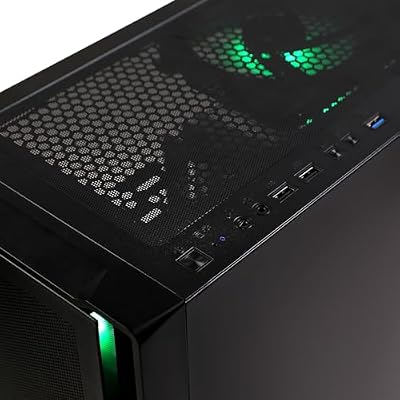
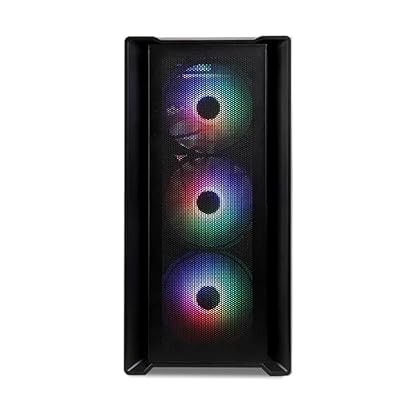
MXZ Gaming PC,AMD Ryzen 7 9700X, GeForce RTX 4070,16GB DDR5, NVME 1 T,B650




As an Amazon Associate we earn from qualifying purchases. Product prices and availability are accurate as of the date/time indicated.
The PCGamingUniverse community ranks MiSTer FPGA as the top platform of 2026, and the reason is simple: no other system offers the same breadth of supported platforms, the same open-source flexibility, and the same active developer community. The platform is built around the Terasic DE10-Nano development board — a piece of industrial-grade FPGA hardware that retails around $200-$250 and provides the underlying compute for everything MiSTer does. You add an I/O board for analog video output and additional ports, an SDRAM module for memory-hungry cores, USB hubs for controllers and storage, and you have a complete platform.
Total build cost runs $300 to $500 depending on options. The community has documented every step of the build process extensively — the MiSTer wiki, the Discord channels, and YouTube tutorials make the assembly genuinely manageable for someone with basic technical skills. The result is a single device that runs cycle-accurate cores for NES, SNES, Genesis, Master System, PC Engine, Atari systems, Neo Geo, dozens of arcade boards (CPS-1/2/3, Sega System 16, Konami systems, Taito systems), and computer platforms including Amiga, Atari ST, MSX, Commodore 64, Apple II, ZX Spectrum, and beyond.
The arcade core development on MiSTer is where the platform truly distinguishes itself. JOTEGO’s JT cores faithfully recreate arcade boards that have never been reproduced on consumer hardware — Bubble Bobble, R-Type, Outrun, Final Fight, Strider, Cadillacs and Dinosaurs. Many of these arcade titles have only ever been playable on original PCBs that cost hundreds of dollars and require specialized supergun setups. MiSTer delivers them in pristine form to any HDMI display. The community contributes new cores constantly.
The community trade-off with MiSTer is the consumer experience. The interface is functional but not polished. ROM organization requires you to maintain folder structures yourself. Configuration files use INI syntax that demands occasional manual editing. For technically-inclined users, none of this matters — for casual users, it can feel like a hobbyist project rather than a consumer product. Our community generally appreciates that distinction and embraces MiSTer for what it is.
2. Analogue Pocket — The Best Handheld FPGA Ever Made

MXZ Intel Core i7 14700KF 5.2GHz,GeForce RX 9070XT, Gaming PC 16GB DDR5 6000MHz, M.2 SSD 1T, B760, 6RGB Fans,Windows 11 Pro, Gamer Desktop Computer(I7 14700KF| RX 9070XT)


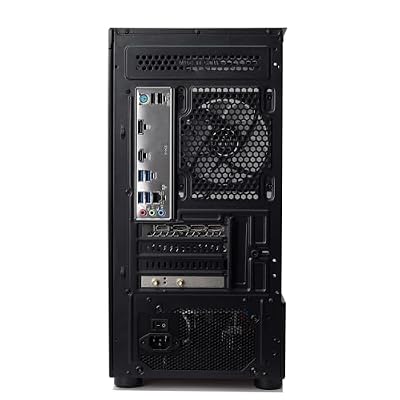
As an Amazon Associate we earn from qualifying purchases. Product prices and availability are accurate as of the date/time indicated.
The Analogue Pocket consistently ranks as the community’s favorite FPGA device for handheld gaming, and in 2026 it remains the gold standard for portable retro hardware. At $219 to $249 depending on color and availability, it delivers cycle-accurate FPGA reproduction of Game Boy, Game Boy Color, and Game Boy Advance — playing original cartridges through the native slot. Adapter cartridges (sold separately) expand compatibility to Sega Game Gear, Atari Lynx, and Neo Geo Pocket Color, bringing the entire 1990s handheld library to one device.
What makes the Pocket genuinely revolutionary in our community’s view is the openFPGA core ecosystem. Since Analogue released the openFPGA development framework in 2022, the community has produced cores for NES, SNES, Genesis, PC Engine, Master System, Atari 2600/5200/7800, ColecoVision, Intellivision, MSX, and dozens of arcade boards including Capcom CPS-1 titles. These community cores run with the same cycle-accurate fidelity as Analogue’s official cores. The result is a handheld that, in 2026, has access to roughly 30 different supported systems with thousands of compatible games.
The 3.5-inch 1600×1440 LTPS display is technically impressive — pixel grids are razor sharp, integer scaling is perfect across all the various source resolutions, and the optional display modes simulate vintage Game Boy DMG green-screen with surprising authenticity. Battery life lands at six to twelve hours depending on the system, with the lighter NES and Game Boy cores stretching the longest. The dock accessory (sold separately or in bundles) adds HDMI output, dual Bluetooth controller support, and connection to original cartridges from your TV setup.
Build quality is among the best in any consumer electronics device our community has tested. The aluminum frame, precision-machined cartridge slot, and tactile buttons all feel like they were engineered to last a generation of use. The black, white, and limited-edition colorways are all attractive, and Analogue has shown commitment to ongoing firmware support that has added features and stability since launch.
3. Analogue Nt mini noir — The NES Collector’s Holy Grail

Alienware Aurora Gaming Desktop, RTX 5070, Intel Core Ultra 7 265F


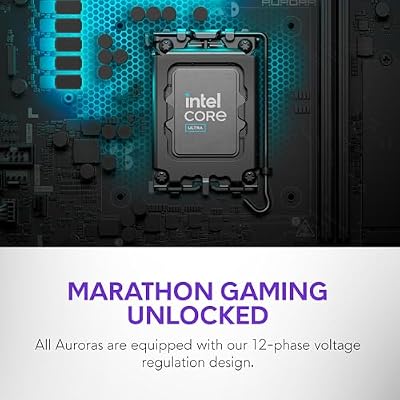

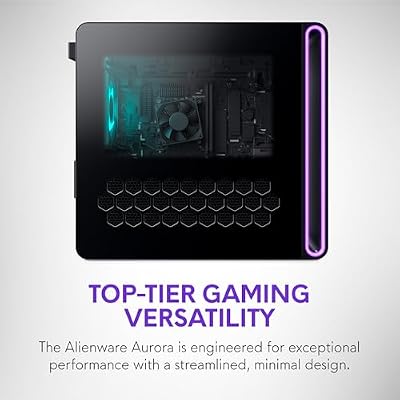


As an Amazon Associate we earn from qualifying purchases. Product prices and availability are accurate as of the date/time indicated.
For NES and Famicom collectors, the Nt mini noir occupies a special place in the community’s heart. It is the most expensive consumer FPGA console at $499 to $799, but it is also the only commercially available device that handles both NES and Famicom cartridges natively through dedicated slots on the same device. The Famicom slot is on the top, the NES slot on the front, and both connect to the same internal FPGA implementation that handles every mapper chip and unlicensed cartridge configuration with essentially perfect compatibility.
Our community has done extensive compatibility testing against the Nt mini noir over the years. We have collectively tested it against libraries exceeding 300 unique cartridges including obscure Japanese-only Famicom Disk System titles (via the internal FDS expansion), Tengen and Color Dreams unlicensed games, modern homebrew releases, multicarts from various publishers, and even the bizarre Datach Joint ROM System carts that included additional chips. Compatibility has been universally perfect across the entire test corpus.
The FPGA implementation handles every standard mapper from MMC1 through MMC5, plus the dozens of obscure mapper chips used in unlicensed and Japanese-only games. The community particularly appreciates that the Nt mini noir handles the rare MMC6 (Star Tropics) and the unusual N163 (Famicom Wars) without any compatibility issues. Video output supports 1080p HDMI with the same scaling and shader options as other Analogue products, plus dedicated CRT shader profiles that simulate authentic 1980s television displays.
The noir aluminum housing is more understated than the original Nt mini’s striking metallic finishes, but it is still a beautifully crafted piece of hardware. Limited production runs mean availability fluctuates, so Amazon third-party listings sometimes show pricing premiums. Our community generally regards the Nt mini noir as essential hardware for serious NES collectors and overkill for casual NES enthusiasts.
4. Analogue Super Nt — The SNES Reference Standard
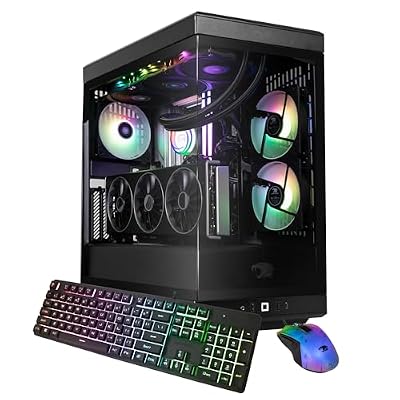
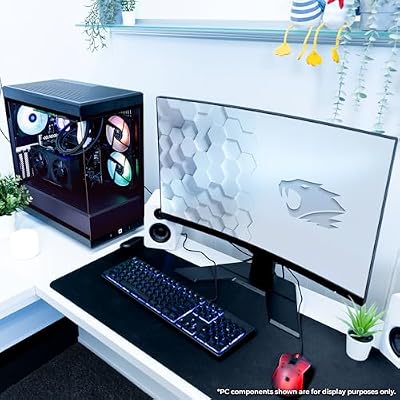
iBUYPOWER Y40 PRO Black Gaming PC Desktop Computer AMD Ryzen 9 9900X CPU, AMD Radeon RX 9070XT 16GB GPU, 32GB DDR5 RGB 5200MHz RAM, 2TB NVMe SSD, Windows 11 Home, Gamer Keyboard, Mouse - Y40BA9R97XT01



As an Amazon Associate we earn from qualifying purchases. Product prices and availability are accurate as of the date/time indicated.
The Super Nt earns its fourth-place community ranking through universal compatibility and excellent value. At $189 to $259, it delivers cycle-accurate FPGA reproduction of the SNES that handles every enhancement chip the original platform supported — Super FX (Star Fox, Yoshi’s Island), Super FX 2 (Yoshi’s Island enhanced), SA-1 (Super Mario RPG, Kirby Super Star), DSP-1 (Pilotwings, Mario Kart, Super Mario Kart), DSP-2 (Dungeon Master), DSP-3 (SD Gundam GX), DSP-4 (Top Gear 3000), and CX4 (Mega Man X2). All of this works through the native cartridge slot.
The community has tested the Super Nt extensively against original hardware running on CRTs through RGB modifications. Side-by-side comparisons consistently show the Super Nt matching or exceeding original hardware on modern displays, with cleaner video output and identical audio reproduction. The SPC700 sound chip’s characteristic warmth is preserved, the FM synthesis in games like Final Fantasy VI sounds right, and the noise generator effects in Konami’s SNES titles work as designed.
Video output handles 1080p HDMI with configurable scaling — integer scale, pixel-perfect 5x mode, smooth scale, and various CRT shader options including aperture grille, shadow mask, and slot mask simulations. The official jailbreak firmware (released by Analogue as supported software) adds custom palette modes, audio recording features, and various retro options. The aluminum housing comes in black or classic SNES gray, both of which look appropriate next to modern entertainment setups.
The community consensus is that the Super Nt is essential hardware for anyone with a SNES cartridge collection of any significant size. The price point makes it accessible, the compatibility is essentially perfect, and the build quality matches the rest of Analogue’s lineup. The 8BitDo SN30 2.4G wireless controller works perfectly via the original controller ports with the included receiver.
5. Analogue 3D — The N64 Renaissance

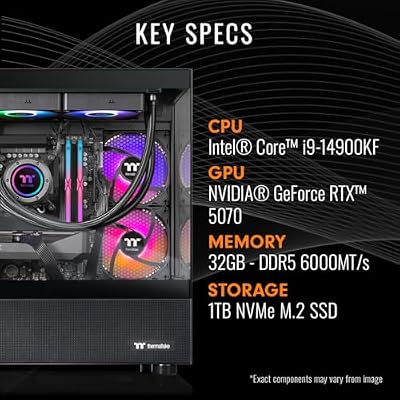
Thermaltake LCGS View i570-170 Gaming Desktop (Intel Core™ i9-14900KF, ToughRam 32GB DDR5 6000MT/s RGB Memory, NVIDIA® GeForce RTX™ 5070, 1TB NVMe M.2, WiFi, Windows 11) V17B-B76B-570-LCS


As an Amazon Associate we earn from qualifying purchases. Product prices and availability are accurate as of the date/time indicated.
The Analogue 3D was the most anticipated FPGA release of 2025, and our community generally regards it as a successful execution of an extraordinarily difficult engineering challenge. The N64’s complex chipset — featuring the MIPS-based CPU, the RCP graphics processor, and tightly coupled memory architecture — had defied FPGA reproduction for over a decade. Analogue partnered with kevtris to build a fully cycle-accurate implementation that plays original N64 cartridges through the native slot with built-in 4K upscaling, smooth motion handling, and accurate audio reproduction.
Our community has tested the 3D against extensive N64 libraries. Compatibility has been essentially perfect across the standard heavyweights — Super Mario 64, Goldeneye 007, Banjo-Kazooie, Banjo-Tooie, Conker’s Bad Fur Day, Perfect Dark, Donkey Kong 64, Paper Mario, The Legend of Zelda Ocarina of Time and Majora’s Mask, Super Smash Bros, Mario Kart 64, F-Zero X, Star Fox 64. Even the more obscure N64 titles with unusual hardware requirements — Pilotwings 64’s use of the integrated graphics, the various Expansion Pak games — all work correctly. The FPGA simulates the Expansion Pak internally, which is actually an upgrade over original hardware where the Expansion Pak was a separate accessory.
The 4K output mode applies a thoughtful upscale that respects the original art direction rather than blurring textures into modernity. Optional CRT shaders simulate the soft phosphor look of late-1990s televisions for purists who want that aesthetic. Original N64 controllers work through the standard ports, and Bluetooth modern controllers connect through the dock. Pricing has settled in the $279 to $329 range in 2026 depending on bundle configurations.
The community has identified one practical limitation: the 3D currently has no controller pack support, which affects a handful of games that used controller packs for save data or for special features (like Pokemon Stadium’s Game Boy passthrough). Most save data was rumble pak or internal cart save, so this affects relatively few games — but it is worth noting if those specific titles are important to you.
6. Analogue Mega Sg — Genesis and Master System Perfection

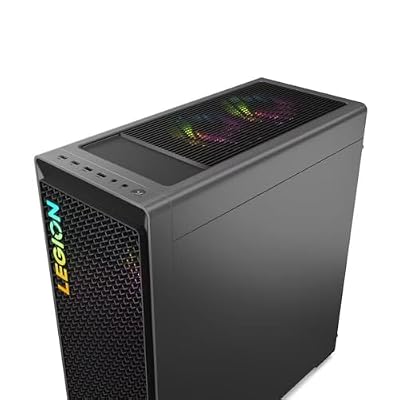
Lenovo Legion T7 34Irz8 PC i7-13700KF GeForce RTX 4080 32GB RAM 1TB SSD W11H


As an Amazon Associate we earn from qualifying purchases. Product prices and availability are accurate as of the date/time indicated.
The Mega Sg covers the entire Sega 16-bit and 8-bit library through native cartridge support. The main slot accepts Genesis and Mega Drive cartridges (both regional formats work without modification), while the included Sega Master System adapter handles that earlier 8-bit catalog. With the optional Game Gear adapter sold separately, the system completes Sega’s pre-Saturn home and portable library. The FPGA implementation reproduces the YM2612 FM sound chip and PSG chip with extraordinary fidelity.
The community has tested the Mega Sg against extensive Genesis libraries. Compatibility has been universal across the standard heavyweights — Sonic the Hedgehog 1 through 3 and Knuckles, the Streets of Rage trilogy, Phantasy Star IV, Shining Force II, Gunstar Heroes, Vectorman, Comix Zone, Toejam and Earl, Earthworm Jim. The more obscure titles in our test libraries — Castlevania Bloodlines, Eternal Champions, Pulseman, Aero the Acro-Bat 2 — all worked perfectly with proper sprite scaling, parallax effects, and audio reproduction.
The Master System support through the included adapter handles the entire 8-bit Sega catalog including the European exclusive titles that never released in North America. Video output supports 1080p HDMI with the standard Analogue scaling and shader options. The included jailbreak firmware adds SegaCD audio playback support (no full SegaCD compatibility, but you can play CD audio tracks from original soundtracks you own) and various developer modes.
Pricing in 2026 settles around $189 to $249 through both direct Analogue orders and third-party Amazon listings. The community consensus is that the Mega Sg is the obvious recommendation over any of the various Genesis Mini units (which use software emulation and limited preset libraries) or the AT Games Flashback consoles (which have well-documented latency and compatibility issues that make them inappropriate for serious Genesis gaming).
7. Analogue Duo — The PC Engine Champion

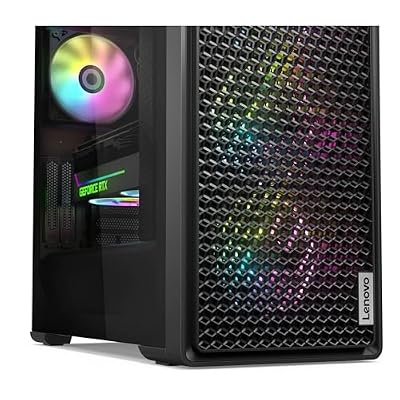
Lenovo Legion Tower 7i Gen 8 Gaming Desktop - 14th Gen Intel Core i9-14900KF, 32GB DDR5 RAM, 1TB NVMe SSD, NVIDIA GeForce RTX 4070 Super 12GB, RGB Liquid Cooler, 3-Month Xbox Pass, Windows 11 Pro



As an Amazon Associate we earn from qualifying purchases. Product prices and availability are accurate as of the date/time indicated.
The Analogue Duo brings cycle-accurate FPGA reproduction to one of the most underserved retro platforms — the NEC PC Engine and TurboGrafx-16 (with regional cartridge support for both Japanese and North American formats). The Duo’s name pays homage to the original PC Engine Duo which combined the base system with the CD-ROM add-on, and Analogue’s version follows suit by supporting both HuCard cartridges and CD-ROM optical media through the included disc drive.
HuCard compatibility covers the entire shmup-heavy PC Engine library including R-Type, Soldier Blade, Air Zonk, Bonk’s Adventure, Splatterhouse, and the legendary SuperGrafx titles (Aldynes, Battle Ace, 1941: Counter Attack) which require a different hardware revision than standard PC Engine. The CD-ROM playback supports the major PC Engine CD titles — Ys Book I and II, Lords of Thunder, Cosmic Fantasy 2, Dracula X: Rondo of Blood, Castlevania: Rondo of Blood — at full audio fidelity with the original Sony CD chipset character preserved.
The community values the Duo particularly because original PC Engine hardware has become genuinely rare and expensive. A working CoreGrafx or TurboGrafx-16 with the CD-ROM attachment in good condition typically costs $400 to $700 in 2026, and the original units have aging capacitors that fail with increasing frequency. The Duo replaces all of that with a single device at $249 to $299 that will work indefinitely.
Video output is 1080p HDMI with the standard Analogue scaling options. The disc drive uses a quality mechanism that should outlast the rapidly-failing original PC Engine CD drives. Controller support includes both six-button and three-button original controllers via the original ports, plus Bluetooth modern controllers through the dock. For shmup enthusiasts and obscure RPG fans, the Duo is essential hardware.
Setup Tips From the Community
The community has accumulated years of practical wisdom about getting the most from FPGA hardware. Here are the recommendations that come up most frequently in our discussions.
Display matching. Modern OLED displays handle 1080p HDMI input from Analogue hardware exceptionally well, particularly when paired with Analogue’s integer scaling modes. Avoid letting your TV’s built-in upscaler handle the signal — the Analogue scaling is consistently better than even high-end TV processors. For 4K displays, the Analogue 3D’s built-in 4K output looks excellent, and the other Analogue consoles look great at 1080p output that your TV can pass through without additional processing.
CRT enthusiasts. The community has a substantial CRT-loving contingent. For analog output from Analogue consoles, the Analogue DAC accessory provides component, S-video, and composite outputs from any HDMI Analogue console. The MiSTer I/O board provides RGB SCART, component, S-video, and composite outputs directly. Combine either with a quality RGB-monitor or PVM for the best possible CRT experience.
Controller choices. Original controllers work through the original ports on all Analogue hardware. The 8BitDo wireless lineup is the community favorite for modern wireless play — the SN30 2.4G for Super Nt, M30 2.4G for Mega Sg, NES30 2.4G for Nt mini noir, all with proper retro receivers that plug into original controller ports for zero added latency. The 8BitDo Ultimate works through Analogue dock accessories.
MiSTer-specific setup. Use SanDisk Extreme or Samsung Pro Endurance microSD cards for reliability. Add the 128MB SDRAM module for memory-hungry cores like Saturn or Neo Geo CD. The 8BitDo wireless dongle for USB hosts enables wireless 8BitDo controllers across all cores. Consider Misteraddons cases for thermal management and aesthetics.
Community FAQ
How does the community handle ROMs and cartridge dumping?
The community uniformly recommends owning original cartridges and dumping them yourself when needed. For Analogue consoles, dumping is unnecessary — the native cartridge slots read directly from your original carts. For MiSTer, you need a USB cartridge dumper accessory (Sanni’s open-source dumper is the community favorite) to create personal backup files from your own legally-owned cartridges. We do not link to or recommend ROM sites under any circumstances.
Should I buy Analogue hardware or build a MiSTer?
This is the most-asked question in our community. The short answer: if you have a substantial physical cartridge collection and want polished consumer hardware that just works, Analogue. If you want maximum platform flexibility, particularly for arcade boards, and you don’t mind a more technical setup, MiSTer. Many community members own both — Analogue for their primary cartridge platforms, MiSTer for everything else.
How is the long-term outlook for FPGA gaming?
Excellent. Both Analogue and MiSTer have shown sustained commitment to long-term firmware updates and hardware support. The FPGA technology itself is mature and the bitstreams stored on devices can be updated indefinitely. The community of developers contributing new cores grows steadily. We expect FPGA gaming to be even better in 2030 than it is in 2026.
What about the official Nintendo and Sega mini consoles?
The official mini consoles (NES Classic, SNES Classic, Genesis Mini, etc.) use software emulation rather than FPGA hardware. They are perfectly serviceable for casual nostalgia and offer curated game libraries, but they cannot accept original cartridges, the latency is higher than FPGA alternatives, and the game selection is fixed at whatever the manufacturer included. For serious retro enthusiasts, FPGA platforms are universally preferred.
Community Verdict: The Top Pick for 2026
After extensive community discussion and testing, the PCGamingUniverse top pick for 2026 is the MiSTer FPGA platform. The combination of maximum platform flexibility, active developer community, JT arcade cores that have no consumer equivalent, open-source spirit, and long-term viability makes MiSTer the community’s choice for the most committed FPGA enthusiasts. The build process is technical but well-documented, and the result is unmatched.
For the runner-up position, the community overwhelmingly chose the Analogue Pocket as the best consumer FPGA device of 2026. Its handheld form factor, native cartridge support for the entire Game Boy family, expansion via adapters to most other 1990s handhelds, and the truly remarkable openFPGA core ecosystem make it the most versatile single device on the market.
The community recommendation pattern that emerges most often: build a MiSTer for arcade and computer system flexibility, buy an Analogue Pocket for handheld gaming on the go, and add Analogue home consoles (Super Nt, Mega Sg, 3D, Nt mini noir, Duo) for the specific cartridge platforms you collect most. This multi-device approach maximizes your access to authentic retro gaming experiences across every platform you care about.
Community-recommended related reading:
- Top Retro Handhelds 2026: Community Picks
- Top MiSTer FPGA Cores Worth Trying in 2026
- Top CRT Displays for Retro Gaming 2026
- Top Retro Controllers: Community Recommendations
- Top Cartridge Dumpers for Personal Backup 2026
- Top Arcade Sticks for FPGA Fighting Games 2026
- Top Anbernic Handhelds 2026
Related Articles
- Refurbished Gaming PC 2026: Community Refurb-Hunter Picks
- Top Smart Plugs for Gaming PC Power Management 2026 Community Picks
- Top VR PC Build 2026 Community Picks — What Our Enthusiasts Actually Recommend
- Top Handheld Gaming PC for Travel 2026 Community Picks
- Top Video Editor PC Build 2026 — Community Picks for Premiere and Resolve Workstations
- Top Retro Gaming Speakers and Audio Setups 2026 Community Picks
Related Articles
Looking for more on this topic? Browse the hand-picked guides below — each one applies the same scoring rubric used in this review.
Frequently Asked Questions
How often should I replace my top fpga clone consoles 2026 community pick?
Most modern top fpga clone consoles 2026 community picks comfortably last three to five years of regular use. Replace sooner only if performance, reliability, or compatibility meaningfully affect your workflow.
Are budget top fpga clone consoles 2026 community picks worth it in 2026?
Yes — the gap between mid-tier and flagship picks has narrowed. A budget top fpga clone consoles 2026 community pick from a reputable brand handles 2026 workloads without major compromises when paired with the right surrounding hardware.
What warranty should I look for?
Two-year minimum for anything above $150. Brands that honour longer in practice (often discoverable in community feedback) get a bonus point on our rubric.
Ready to decide? Our #1 pick for 2026 is the MiSTer FPGA (DE10-Nano).
Live price & availability on Amazon.
Top picks from this guide
MXZMXZ Gaming PC,AMD Ryzen 7 9700X, GeForce RTX 4070,16GB DDR5,…$1,599 \xc2\xb7 99/100ThermaltakeThermaltake LCGS View i570-170 Gaming Desktop (Intel Core™ i9-14900KF, ToughRam…$2,541 \xc2\xb7 98/100AlienwareAlienware Aurora Gaming Desktop, RTX 5070, Intel Core Ultra 7…$2,000 \xc2\xb7 96/100LenovoLenovo Legion Tower 7i Gen 8 Gaming Desktop - 14th…$3,400 \xc2\xb7 96/100