- Top Pick: Beamo Linux Mint Cinnamon 22.3 64-bit Bootable USB Flash Drive – Live USB for Installing and Repairing Linux Mint
- Best Value: Learn How to Use Linux, Ubuntu Linux 22.04 Bootable 8GB USB Flash Drive – Includes Boot Repair and Install Guide Now with USB Type C
- Premium Choice: Learn How to Use Linux, Ubuntu Linux 20.04 Bootable 8GB USB Flash Drive – Includes Boot Repair and Install Guide
Installing Linux for gaming is far less intimidating than it once was, and in 2026 the process can be done in an afternoon with nothing more than a spare USB drive and a little patience. Thanks to compatibility layers like Proton, a well-configured Linux system can now run a huge portion of your Steam library at performance that rivals Windows, all while giving you more control over your machine.
This guide walks you through the entire journey, from picking a distribution and creating bootable media to installing graphics drivers and getting your first game running. Whether you are dual-booting alongside Windows or going all-in on open source, the steps below will get you from download to gameplay without the guesswork.
As an Amazon Associate we earn from qualifying purchases at no extra cost to you. Product prices and availability are accurate as of the date shown and are subject to change.




⚡ Save on Your Next PC — Amazon Prime
Prime members get fast free shipping on the systems above, plus early access to Prime Day & Black Friday PC deals. New members get a 30-day free trial.
Watch: How To Install Linux For Gaming — Video Review
Choosing the Right Linux Distribution
Your first decision is which distribution to install, and for gaming newcomers a beginner-friendly option removes most of the friction. Linux Mint and Ubuntu are the classic starting points because they offer polished interfaces, large communities, and excellent hardware detection out of the box.
- Linux Mint Cinnamon: A familiar desktop layout and stable base make it ideal for those coming from Windows.
- Ubuntu: Widely supported with abundant tutorials, a strong choice if you value documentation and driver availability.
- Lightweight options: A minimal distro like MiniOS Linux suits older machines that need to conserve resources.
Creating Your Bootable USB Drive
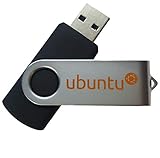
Once you have chosen a distro, you need bootable installation media. The simplest route is a ready-made bootable USB, such as a Beamo Linux Mint Cinnamon 22.3 drive or a preloaded Ubuntu flash drive that includes boot repair and an install guide, which spares you from flashing an image yourself.
If you prefer to make your own, download the distribution’s ISO file and write it to an 8GB or larger USB stick using a free imaging tool. Either way, keep a second drive handy for backups before you begin, since installation can alter your storage layout.
Installing Linux and Setting Up Boot
Insert the USB drive, restart your computer, and enter the boot menu to select the USB device. Most distributions launch a live environment first, letting you test everything before committing. When ready, run the installer and choose whether to dual-boot alongside Windows or dedicate the whole drive to Linux.
- Back up important files before partitioning.
- Choose dual-boot to keep Windows as a fallback for anti-cheat titles.
- Let the installer handle partitioning automatically if you are unsure.
- Keep a boot repair drive on hand in case the bootloader needs fixing.
Installing Graphics Drivers and Steam
After the first boot, update your system and install the proprietary GPU drivers for your NVIDIA or AMD card, since these deliver the performance gaming demands. Most distributions offer a driver manager that handles this in a few clicks, so you rarely need the command line.
Next, install Steam from your distribution’s software center and enable Steam Play in the settings. This activates Proton, the compatibility layer that lets thousands of Windows games run on Linux. Once enabled, your library will show many titles as playable directly.
Optimizing Performance with Proton
To squeeze the most from your setup, experiment with different Proton versions per game and consult community compatibility reports to find the best configuration. Enabling shader pre-caching and keeping your drivers current smooths out stutters, and learning a few command-line basics from a resource like Linux Basics for Hackers helps you troubleshoot when a title misbehaves.
Frequently Asked Questions
Do I need to erase Windows to install Linux?
No. Dual-booting lets you keep Windows and Linux on the same machine, choosing which to load at startup. This is the recommended approach so you retain access to games that require Windows-only anti-cheat.
Will all my Steam games work on Linux?
Most single-player and many multiplayer titles run well through Proton, but some competitive games with kernel-level anti-cheat remain Windows-only. Check community compatibility databases before assuming a specific game will work.
Is a prebuilt bootable USB better than making my own?
A prebuilt drive like a Beamo or Ubuntu install USB saves time and often bundles boot repair tools, which is convenient for beginners. Making your own is free and equally valid if you are comfortable flashing an ISO.
What if my computer will not boot from the USB?
Enter your BIOS or UEFI settings and ensure USB booting is enabled, and temporarily disable Secure Boot if needed. Many install drives include boot repair utilities to fix bootloader issues after installation.
Conclusion
Installing Linux for gaming in 2026 comes down to a handful of clear steps: pick a friendly distribution, create bootable media, install with a dual-boot safety net, add your GPU drivers, and enable Proton through Steam. With a prebuilt Mint or Ubuntu USB drive and a little curiosity, you can build a fast, flexible, and fully open gaming system that keeps improving as the ecosystem grows.