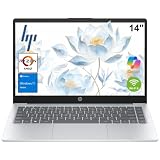
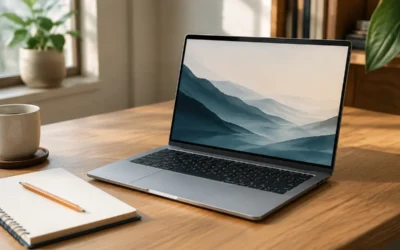
- Top Pick: Dell XPS 13 9350, 13.4" FHD+ 120Hz, Intel Ultra 7 256V, 16GB DDR5, 1TB SSD
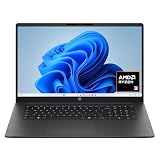
- Best Value: Dell XPS 13 9345 Laptop, Snapdragon X Elite, 16GB LPDDR5X, 1T SSD
- Premium Choice: Dell XPS 13 9345 Laptop, Copilot+ AI PC (13.4" FHD+ 120Hz, Snapdragon X Plus (> Intel i7-1355U), 16GB 8448MT/s RAM, 512GB SSD) Long Battery Life, IR Webcam, Fingerprint, Wi-Fi 7, Win 11 Pro (Renewed)
The Dell XPS 13 has long been the ultraportable that other laptops measure themselves against, and the latest generation doubles down on its signature blend of premium materials, a stunning display, and genuinely all-day battery life. For 2026 the lineup splits between Intel Lunar Lake and Snapdragon X-series chips, giving buyers a real choice between raw compatibility and marathon endurance.
We spent time with the current XPS 13 configurations to figure out which model deserves your money and where the trade-offs lie between the FHD+ 120Hz and OLED touchscreen panels.
As an Amazon Associate we earn from qualifying purchases at no extra cost to you. Product prices and availability are accurate as of the date shown and are subject to change.


🎮 Get More From Your Setup — Free
Prime Gaming gives you free PC games every month, in-game loot, and a free Twitch channel sub — plus fast free shipping on all the gear above. New members get a 30-day free trial.
Watch: Dell Xps 13 Laptop Computers: Review & Buyer’s Guide — Video Review
Design & Build
The XPS 13 remains one of the most beautiful laptops you can buy. The machined aluminum chassis, near-borderless display, and seamless glass palm rest feel unmistakably premium, and the whole thing slips easily into any bag. The edge-to-edge keyboard and capacitive function row divide opinion, but there’s no arguing with the build quality. A dedicated case like the Batianda Gold Lotus cover is a worthwhile add-on to protect that finish during travel.
Performance
Configuration matters a lot here. The XPS 13 9350 with Intel Ultra 7 256V delivers excellent responsiveness and broad software compatibility, making it the safe choice for most users. The Snapdragon X Elite and X Plus models in the 9345 series trade a little app compatibility for exceptional efficiency and battery life, comfortably running through a full workday. Across the board, 16GB of LPDDR5X and fast SSDs keep everything fluid, and the 3K OLED touchscreen option is a joy for creative work and media.
Pros & Cons
- Pro: Class-leading build quality with a gorgeous, near-bezel-free display.
- Pro: Snapdragon models offer outstanding battery life and instant wake.
- Pro: OLED and 120Hz panel options cater to both creatives and everyday users.
- Pro: Compact, lightweight design ideal for travel and commuting.
- Con: Limited port selection means you’ll likely need a USB-C hub.
- Con: Arm-based Snapdragon models can hit occasional app compatibility snags.
Alternatives to Consider
If you rely on niche Windows software, the Intel Ultra 7 XPS 13 9350 is the more dependable choice over the Snapdragon variants. Shoppers who prioritize screen quality above all should compare the 3K OLED touchscreen 9345 against the FHD+ 120Hz version, weighing color richness against battery savings. A renewed Snapdragon X Plus model is also worth a look for budget-minded buyers who still want the XPS experience.
Frequently Asked Questions
Is the Snapdragon XPS 13 good for everyday use?
Yes. For web browsing, office work, and media, the Snapdragon models are excellent and offer superb battery life. Just verify any specialized apps you depend on run natively or via emulation.
Should I choose OLED or the 120Hz FHD+ panel?
Choose OLED for deeper contrast and vivid color if you edit photos or watch a lot of content. The FHD+ 120Hz panel is smoother for scrolling and typically kinder to battery life.
Can the XPS 13 handle light gaming?
It manages esports titles and older games at modest settings, but the integrated graphics aren’t built for demanding AAA gaming. It’s a productivity ultraportable first and foremost.
Do I need a case for the XPS 13?
A slim case such as the Batianda cover helps protect the aluminum body from scratches and dents, which is wise given the laptop’s premium finish and price.
Verdict
The Dell XPS 13 9350 with Intel Ultra 7 is the best all-around pick for its blend of performance and compatibility, while the Snapdragon X Elite OLED model is the one to grab if display quality and battery endurance top your list.