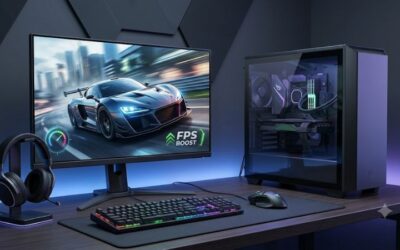
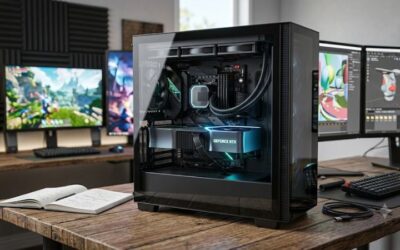
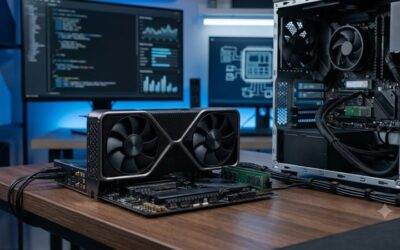
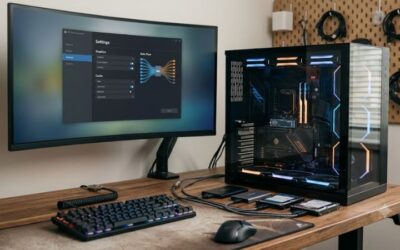
Windows gaming optimization requires targeted hardware upgrades to eliminate unexpected frame drops and slow load times. PC gamers often face thermal throttling, storage bottlenecks, and memory latency that stutter demanding titles. Resolving these core issues needs precise system adjustments alongside reliable hardware upgrades.
How to Choose Windows Gaming Optimization Upgrades
Achieving reliable windows gaming optimization requires understanding how hardware components interact with system software during heavy gameplay. Upgrading primary drives, memory modules, thermal interfaces, and control shortcuts solves hardware bottlenecks directly. This guide details practical selection standards to help you select effective gear.
High-Speed PCIe 4.0 NVMe Solid State Drives
Modern games rely heavily on rapid file access to stream high-resolution textures without hitching or causing stutters during open-world traversal. Selecting a fast solid-state drive improves load times significantly and maximizes windows gaming optimization by feeding raw assets to your graphics processor without delay.
Prioritize solid-state drives featuring high sequential read speeds alongside dedicated DRAM cache buffers to sustain peak write operations under load. While premium high-tier drives cost more than basic SATA drives, options like the Samsung 990 PRO 2TB PCIe 4.0 NVMe M.2 SSD deliver flawless stability for game installations.
High-Frequency DDR5 Memory Kits
System memory latency directly dictates minimum frame rates and frame time consistency during chaotic multiplayer matches or heavy rendering scenes. Low-capacity or slow RAM kits create processing delays when the CPU requests rapid data swaps. Modern titles demand fast memory frequencies paired with tight operational timings.
Aim for memory kits offering at least 32GB total capacity operating at 6000MHz speed to prevent memory allocation throttling on modern systems. Selecting advanced dual-channel kits like the Corsair Vengeance DDR5 32GB 6000MHz C36 ensures smooth background task handling while maintaining steady game frame rates.
Premium Non-Conductive Thermal Compounds
Sustained high clock speeds on high-end processors generate intense localized heat that forces automatic processor throttling under heavy loads. Standard pre-applied thermal paste often degrades over time, creating uneven contact surfaces between the heat sink and processor die. Upgrading thermal material resolves heat buildup.
Choose non-conductive thermal compounds with high thermal conductivity ratings to protect sensitive motherboard circuitry from accidental spills. Applying a premium paste like Noctua NT-H2 Thermal Paste 3.5g lowers package temperatures substantially, preventing thermal slowdowns during extended sessions.
Dedicated Hardware Shortcut Controllers
Toggling background applications, power plan configurations, and audio channels manually while gaming disrupts focus and wastes active playtime. Software overlays can introduce input lag or consume valuable memory resources. Dedicated hardware controllers execute system commands instantly using direct hardware signals.
Select custom macro controllers equipped with physical key displays and deep software integration for effortless command binding. Integrating a physical macro controller like the Elgato Stream Deck MK.2 allows one-touch execution of complex system scripts without minimizing your active gaming window.
Top Picks
Finding proven hardware upgrades streamlines your windows gaming optimization setup by targetting specific system bottlenecks effectively. The comparison table below highlights key specifications, primary target uses, and potential operational drawbacks across our four recommended choices to simplify your buying decisions.
| Product | Best For | Key Spec | Watch Out For |
|---|---|---|---|
| Samsung 990 PRO 2TB PCIe 4.0 NVMe M.2 SSD | Best Overall | 7450 MB/s Read Speed | Requires heatsink in tight spaces |
| Corsair Vengeance DDR5 32GB 6000MHz C36 | Best For Frame Stability | 6000MHz / CL36 Latency | Motherboard BIOS XMP enable needed |
| Noctua NT-H2 Thermal Paste 3.5g | Best Value | 3.5g / Non-Conductive | Manual reapplication required yearly |
| Elgato Stream Deck MK.2 | Best For System Profile Switching | 15 LCD Keys / USB 2.0 | Software setup required for scripts |
Samsung 990 PRO 2TB PCIe 4.0 NVMe M.2 SSD
Serious PC enthusiasts who demand maximum drive bandwidth will find this drive exceptional for high-end windows gaming optimization projects. Delivering sequential read speeds up to 7450 MB/s, this drive virtually eliminates asset streaming stutters across demanding modern titles and complex virtual world environments.
The integrated nickel coating and smart thermal control algorithm maintain operating stability during prolonged heavy write sessions. However, the drive runs warm under peak loads, requiring a dedicated motherboard heatsink or proper case airflow to prevent thermal throttling during continuous drive operations.
Corsair Vengeance DDR5 32GB 6000MHz C36
Gamers seeking eliminated micro-stutters and rock-solid frame time delivery should upgrade their memory configuration to this high-speed kit. Running at 6000MHz with CL36 timing, this 32GB dual-channel memory package eliminates memory bottlenecks when handling high frame rate gaming alongside background background applications.
The solid aluminum heatspreader provides effective passive cooling while maintaining a low-profile height that fits beneath large CPU air coolers. Users must manually enable XMP or EXPO profiles inside the motherboard BIOS to achieve advertised frequencies, as default motherboards boot at baseline SPD speeds.
Noctua NT-H2 Thermal Paste 3.5g
Budget-conscious users looking to maximize cooling efficiency without replacing expensive heatsinks will benefit immensely from this compound. Featuring an updated hybrid metal oxide formula, this 3.5g paste tube lowers CPU package temperatures noticeably compared to stock thermal paste applied during factory assembly.
The non-conductive and non-corroding composition guarantees safe application without risk of short-circuiting sensitive processor pins or motherboard components. However, achieving maximum cooling efficiency over several years requires periodic cleaning and reapplication every two years under continuous heavy thermal loads.
Elgato Stream Deck MK.2
Streamers and power users needing instant control over system profiles, game launchers, and audio levels will love this dedicated controller. Featuring 15 customizable LCD keys, this device allows instant triggering of custom batch scripts, system status monitors, and key combinations with a single physical keypress.
The sturdy detachable desktop stand and removable faceplate offer convenient customization for any gaming desk setup. Initial configuration requires spending time in the Elgato software suite to map actions properly, which may present a mild learning curve for users unfamiliar with custom macro scripting.
Frequently Asked Questions
Addressing common questions regarding windows gaming optimization helps clarify how hardware choices directly impact daily system responsiveness. The following section provides direct answers and practical advice regarding game storage, memory upgrades, thermal management, and system macro customization.
How Does an NVMe SSD Improve In-Game Performance?
An NVMe SSD reduces loading screen times drastically and eliminates asset streaming hitches in modern open-world video games. Integrating fast storage into your windows gaming optimization strategy allows the system to transfer high-resolution textures directly to memory without causing frame rate drops during gameplay.
While drive speed alone will not raise peak frame rates, it stabilizes frame time delivery by preventing background data loading hitches. Upgrading from a legacy hard drive or SATA SSD yields immediate benefits in game load speed and system boot responsiveness across all modern Windows installations.
Is 32GB of RAM Necessary for Modern PC Gaming?
Yes, 32GB of high-speed memory is rapidly becoming the recommended standard for modern AAA gaming titles and smooth background multitasking. Demanding games routinely consume over 12GB of system RAM on high texture settings, leaving minimal headroom on older systems equipped with only 16GB total memory.
Upgrading memory capacity prevents your operating system from swapping active memory data to virtual disk storage during heavy play sessions. Investing in fast 6000MHz RAM ensures long-term system stability while keeping your windows gaming optimization configuration running smoothly under heavy game workloads.
When Should You Replace Thermal Paste on Your CPU?
You should replace thermal paste every two to three years or whenever CPU temperatures exceed normal operating thresholds under heavy gaming workloads. Thermal compound gradually dries out over time due to heat cycles, reducing thermal transfer efficiency between the thermal spreader and your processor cooler.
Monitoring processor temperatures with free software utility tools helps identify when thermal throttling begins degrading system clock speeds. Applying fresh premium compound during routine maintenance restores optimal thermal conductivity and lowers operating noise levels by reducing fan speed requirements.
Can Macro Controllers Execute Windows Optimization Scripts?
Yes, dedicated macro controllers can execute system scripts that adjust power plans, close background processes, and launch game profiles instantly. Physical controllers send direct input signals to automated software scripts, replacing manual system adjustments with a single button press before gaming sessions.
Setting up custom shortcut keys allows gamers to switch display refresh rates or disable background notification popups before launching games. Utilizing hardware macro controllers prevents software overlays from consuming background CPU cycles while ensuring consistent profile execution every time.
Final Thoughts
Executing effective windows gaming optimization requires choosing reliable hardware components that address real physical bottlenecks directly. Upgrading storage speeds, expanding memory bandwidth, refreshing thermal paste, and automating control scripts delivers lasting frame rate stability. Invest in quality components today.