- Top Pick: CORSAIR Vengeance LPX DDR4 RAM 32GB (2x16GB) Up to 3200MHz CL16-20-20-38 1.35V Intel XMP AMD EXPO Computer Memory – Black (CMK32GX4M2E3200C16)
- Best Value: PUSKILL DDR4 3200MHz CL16 Desktop RAM Kit, 32GB (2x16GB)
- Premium Choice: Silicon Power Value Gaming DDR4 RAM 32GB (2x16GB) 3200MHz (PC4 25600) 288-pin CL16 1.35V UDIMM Desktop Memory Module with Heatsink Grey SU032GXLZU320BDAJ7
For years, 16GB of RAM was the undisputed sweet spot for gaming, but in 2026 that consensus is shifting. Newer titles are more memory-hungry, gamers increasingly multitask with browsers, chat apps, and streaming software running alongside their games, and 32GB kits have become genuinely affordable. So is doubling your memory worth it, or is 16GB still enough?
This comparison weighs 32GB against 16GB for gaming, looking at how much memory modern games actually use, what happens when you run out, and who truly benefits from the upgrade. Whether you are eyeing a Corsair Vengeance LPX 32GB kit or a Silicon Power 16GB set, here is how to decide.
As an Amazon Associate we earn from qualifying purchases at no extra cost to you.



⚡ Save on Your Next PC — Amazon Prime
Prime members get fast free shipping on the systems above, plus early access to Prime Day & Black Friday PC deals. New members get a 30-day free trial.
Watch: 32GB vs 16GB RAM for Gaming — Video Review
Quick Verdict
16GB remains playable for many games, but 32GB is now the recommended sweet spot for a new 2026 gaming build, especially if you multitask, stream, or play the latest AAA titles. The extra capacity provides breathing room that prevents stutter when a game and your background apps together exceed 16GB, and the price gap has shrunk to the point where the upgrade is easy to justify. If you only play older or lighter esports titles and never multitask, 16GB will still serve you well.
Key Differences
- Multitasking headroom: 32GB comfortably runs a demanding game plus a browser, Discord, and a stream simultaneously; 16GB can run short.
- Modern AAA titles: some current games push past 16GB of combined usage, where 32GB avoids swapping to disk.
- Stutter risk: running out of memory forces the system to use slow storage, causing hitches that 32GB prevents.
- Future-proofing: 32GB gives a new build a longer useful life as memory demands keep rising.
- Cost: 16GB is cheaper, but the premium for 32GB has narrowed considerably.
- Diminishing returns: for pure gaming with nothing else open, the frame-rate gain from 32GB over 16GB is often small.
16GB of RAM
16GB has been the mainstream gaming standard for good reason: it covers the memory needs of the large majority of games when run on their own, and it keeps a build affordable. A quality dual-channel kit like the Silicon Power Value Gaming 16GB or a comparable DDR5 set delivers smooth performance in esports titles and most single-player games, particularly at 1080p where memory pressure is lower.
The catch appears when you multitask. Modern browsers alone can consume several gigabytes, and adding Discord, a streaming app, and background utilities on top of a heavy game can push total usage right up against the 16GB ceiling. When that happens, the system swaps data to disk and you feel it as stutter. For a gamer who closes everything else before playing, 16GB is fine; for a multitasker, it is increasingly tight.
32GB of RAM
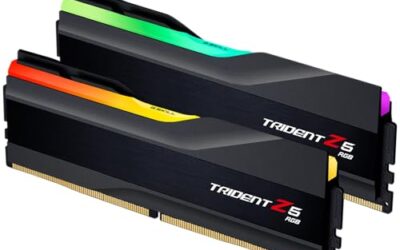
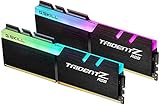
32GB has become the new comfort zone. Kits like the Corsair Vengeance LPX 32GB (2x16GB), G.SKILL Trident Z RGB, or a Crucial DDR5 32GB set give you ample room to run the most demanding games alongside a full suite of background apps without ever touching disk swap. That headroom translates to consistently smooth frame times and a build that stays capable as games grow hungrier.
The upgrade shines brightest for streamers, content creators, and heavy multitaskers, and it is a no-brainer for anyone building fresh in 2026 given how modest the price premium has become. The one caveat is that if you play only lightweight games and never run much in the background, you may not see a frame-rate difference day to day, the benefit is insurance and longevity rather than raw speed.
Which Should You Buy?
- Choose 32GB if you are building a new PC in 2026 and want headroom and longevity.
- Choose 32GB if you stream, create content, or keep many apps open while gaming.
- Choose 32GB if you play the latest AAA titles that push memory usage high.
- Choose 16GB if your budget is tight and you play mostly esports or older games.
- Stick with 16GB if you already have it, run only games, and see no stutter, upgrade later if that changes.
Frequently Asked Questions
Is 16GB of RAM still enough for gaming in 2026?
For many games played on their own, yes, particularly at 1080p and in esports titles. But some modern AAA games and heavy multitasking can exceed 16GB of combined usage, causing stutter. It is still viable, but 32GB is the safer recommendation for a new build.
Will 32GB of RAM increase my FPS?
Usually only modestly, and mainly in scenarios where 16GB was actually running out. If a game plus your background apps fit within 16GB, jumping to 32GB yields little frame-rate gain. The real benefit is smoother frame times and preventing memory-related stutter, not a big raw FPS boost.
Should I get faster RAM or more RAM?
Get enough capacity first, then prioritize speed within your budget. Running out of memory hurts far more than slightly slower RAM. Once you have adequate capacity like 32GB, a faster kit with good timings offers incremental gains, especially on Ryzen systems that are sensitive to memory speed.
Does dual-channel matter more than total capacity?
Both matter. Running two matched sticks in dual-channel roughly doubles memory bandwidth versus a single stick and noticeably helps gaming, so always populate two channels. Beyond that, having enough total capacity to avoid disk swapping is the next priority, which is why a 2x16GB 32GB kit is ideal.
Final Verdict
In 2026, 32GB is the RAM configuration to build around. It hands you the multitasking headroom, AAA-title comfort, and future-proofing that make a gaming PC feel effortless, all for a premium that has become easy to swallow. Stick with 16GB only if your budget demands it and your games and habits stay light; for everyone building fresh, a quality 2x16GB dual-channel 32GB kit is the confident, lasting choice.