- Top Pick: Stardew Plush Toy Valley Doll Chicken Figure Apple Juni Plush mo Plants Stuffed Animal Green Soft Plush Pillow, Best Gift for Your Family 10" (Blue)
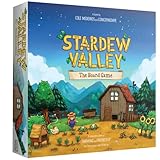
- Best Value: ConcernedApe Stardew Valley Cooperative Board Game Ages 13+ 1 to 4 Players
- Premium Choice: Manna Pro Layer Crumbles Chicken Feed, 16% Protein, Digestive Aid, 8 lb Bag
Chickens in Stardew Valley eat hay, and you feed them by placing hay on the feeding bench inside their coop. That is the whole answer, but there are three ways to get the hay, two ways to deliver it, and one coop upgrade that automates the job forever. Here is exactly how each option works and which one you should be aiming for.
As an Amazon Associate I earn from qualifying purchases.
🛒 Best Price Today on Amazon
Prime members get fast, free shipping on everything above, plus member-only deals. New members get a 30-day free trial — cancel anytime.
How to Feed Chickens in Stardew Valley: The Direct Answer
Walk into your coop and look at the long feeding bench running along the wall. Select hay from your inventory and place one piece on each empty bench square, one per chicken. The chickens will eat it automatically that day and produce eggs the following morning. If your chickens are outside on a sunny day, they will graze on grass instead and you do not need to place hay at all. In winter, or on rainy days when animals stay indoors, hay is mandatory every single day.
| Game | Platform | Genre | Why It’s Great | Rating |
|---|---|---|---|---|
| Stardew Valley | PC, Switch, PlayStation, Xbox, Mobile | Farming sim | One developer, endless free updates and near-perfect pacing | 9.7/10 |
| Animal Crossing: New Horizons | Nintendo Switch | Life sim | The most relaxing island-building loop ever designed | 9.0/10 |
| Story of Seasons: A Wonderful Life | Switch, PC, PlayStation, Xbox | Farming sim | Generational storytelling that Stardew’s genre ancestors pioneered | 7.8/10 |
| Slime Rancher 2 | PC, Xbox | First-person ranching | Turns animal husbandry into a colourful exploration game | 8.2/10 |
| Coral Island | PC, Switch, PlayStation, Xbox | Farming sim | Gorgeous art, diving content and a genuinely deep ranching system | 8.4/10 |
| Graveyard Keeper | PC, Switch, PlayStation, Xbox | Management sim | Dark comedy twist on the farming formula with dense crafting trees | 8.0/10 |
| My Time at Portia | PC, Switch, PlayStation, Xbox | Crafting sim | Workshop crafting and town-building layered onto farm life | 8.1/10 |
| Harvest Moon: Back to Nature | PlayStation | Farming sim | The classic that established chicken and cow care as a game loop | 8.5/10 |
Getting Hay Before You Feed Chickens in Stardew Valley
You have three sources. Buy hay from Marnie’s Ranch for 50g each, which is the emergency option and gets expensive fast. Cut grass with a scythe, which produces hay only if you have a silo with free space; without a silo, cut grass produces nothing at all. Or harvest wheat, which drops hay alongside the crop. The scythe route is by far the cheapest, which makes the silo the single most important building for anyone keeping chickens.
Building a Silo First
Ask Robin at the Carpenter’s Shop to build a silo for 100g plus 100 stone, 10 clay and 5 copper bars. It takes two days. Each silo stores 240 hay, and you can build more than one to raise that cap. Once a silo exists, every patch of grass you scythe has a chance to become stored hay automatically. Plant grass starter around your farm in spring, let it spread, and cut it down in late autumn to fill your silos before winter kills all the grass. This single habit removes the need to ever buy hay again. Long planning sessions with a farm layout planner open in a second window are much easier on a wide screen, and an ultrawide monitor buying guide is a reasonable read for anyone who plays this way.
Taking Hay Out of the Silo
Hay stored in a silo does not sit in your inventory. Inside the coop, just beside the door, there is a hay hopper. Interact with it to withdraw hay from your silo stock into your inventory, then place it on the feeding bench. The same hopper exists in barns. New players frequently miss this and assume their stored hay is inaccessible, then waste money buying hay from Marnie while hundreds of pieces sit in a silo twenty steps away. Spotting the hopper sprite is easier on a bright, accurate panel, and a IPS gaming monitor buying guide is worth a skim if your current display crushes shadow detail.
Automating Chicken Feeding With the Deluxe Coop
The permanent solution is the Deluxe Coop upgrade. Robin upgrades a Coop to a Big Coop for 10,000g plus 450 wood and 150 stone, then a Big Coop to a Deluxe Coop for 20,000g plus 500 wood and 200 stone. The Deluxe Coop includes an automatic feeding system: every morning, hay is dispensed from your silo directly onto the feeding bench with no input from you. Combined with an Auto-Grabber, which collects eggs automatically, the Deluxe Coop reduces daily animal chores to petting alone. This is the upgrade experienced players prioritise above almost everything else.
Letting Chickens Graze Instead of Feeding Hay
Open the coop door in the morning on a sunny, non-winter day and your chickens will wander out and eat grass. Grazed grass is free and does not consume hay from your silo, so this is the most economical approach for most of the year. Keep a decent grass patch near the coop and it will regrow and spread on its own. Remember to close the door before night, because animals left outside overnight can be attacked by wild animals and will lose happiness. Don’t cut all your grass down for hay in summer, or your chickens will have nothing to graze on. Tracking the weather forecast on the TV each morning is part of the routine, and running the game at a stable framerate makes those quick early-morning loops less tedious, which is where a handheld gaming PC buying guide becomes relevant for portable play.
Happiness, Mood and Egg Quality
Feeding is only half the equation. Pet every chicken once a day, feed them daily, and let them outside in good weather. Doing all three raises their mood and friendship, which improves egg quality from regular to silver, gold and iridium, and eventually unlocks Large Eggs. Skipping feeding causes an immediate happiness drop and the chicken may produce nothing the next morning. Skipping petting slows friendship growth even if feeding is perfect. A chicken kept happy for long enough becomes a reliable iridium egg producer, which feeds directly into Mayonnaise production for serious profit. Managing a large farm efficiently means a lot of clicking, so a lightweight gaming mouse buying guide is genuinely useful for marathon sessions.
Chicken Types and Where They Come From
White and brown chickens are sold by Marnie for 800g each. Blue chickens become purchasable after reaching eight hearts with Shane and viewing his event. Void chickens hatch from Void Eggs, which Krobus sells for 5,000g or which can be obtained from the Witch’s Hut event, and they produce Void Eggs themselves. Golden chickens hatch from the Golden Egg, obtainable through Qi’s rewards or the Golden Walnut room on Ginger Island. All of them eat ordinary hay, with no special feed requirements. Hatching eggs requires an Incubator, which comes with the Big Coop upgrade. Playing on a console with a wireless setup keeps the couch clear, and a wireless controller buying guide covers the reliable options, while a Nintendo Switch accessories buying guide is the right starting point for handheld farmers.
Frequently Asked Questions
How much hay do chickens need per day in Stardew Valley?
Each chicken eats exactly one piece of hay per day when kept indoors. A basic Coop holds four animals, a Big Coop holds eight and a Deluxe Coop holds twelve, so a full Deluxe Coop consumes twelve hay daily during winter and on every rainy day throughout the year.
What happens if you forget to feed your chickens?
An unfed chicken loses happiness immediately and will usually produce no egg the following morning. Repeatedly forgetting drives friendship down significantly, degrading egg quality over time. Chickens never die from hunger in Stardew Valley, so the damage is recoverable with consistent feeding and daily petting afterwards.
Can chickens feed themselves in Stardew Valley?
Yes, if you open the coop door on a sunny non-winter day they will graze on grass outside without consuming any hay.
Why can’t I get hay when cutting grass?
Cutting grass only produces hay if you have built a silo and that silo has spare capacity. Without a silo, scythed grass simply disappears. Check that your silos are not already full at 240 hay each, and build an additional silo if you need more storage room.
As an Amazon Associate we earn from qualifying purchases at no extra cost to you.