🛒 Best Price Today on Amazon
Prime members get fast, free shipping on everything above, plus member-only deals. New members get a 30-day free trial — cancel anytime.
Canon’s EF mount has been around long enough that the used and renewed market is full of excellent glass, and that is the real story behind this keyword. Choosing among the best Canon EF lenses means choosing between a cheap nifty-fifty, a range of L-series zooms and a pair of budget telephotos, often in renewed condition. The decision hinges on what you shoot: landscapes, events, wildlife or portraits.
This guide is for owners of EOS DSLRs, and also for mirrorless shooters who adapt EF glass, who want to know which of ten available listings fits their needs in 2026. Several appear twice, once new and once renewed, or in different generations, so the comparisons below focus on role. Statements are based on the listing titles alone, so check condition, included accessories and compatibility before buying.
Quick Picks

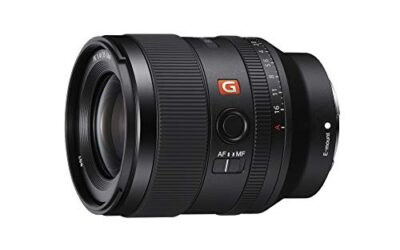
Canon EF 50mm f/1.8 STM Lens, Black, Compatible with Canon EOS DSLR Cameras | Compatible with EOS DSLR Cameras
Included for '10 Best Canon Ef Lenses (November 2026)' as a representative consumer electronics in this roundup; selection reflects the product set returned for this topic.
View on Amazon
Canon EF 75-300mm f/4-5.6 III Telephoto Zoom Lens for Canon SLR Cameras, 6473A003 (Renewed)
Included for '10 Best Canon Ef Lenses (November 2026)' as a representative consumer electronics in this roundup; selection reflects the product set returned for this topic.
View on Amazon
Canon EF 16-35mm f/2.8L ll USM Zoom Lens for Canon EF Cameras (Renewed)
Included for '10 Best Canon Ef Lenses (November 2026)' as a representative consumer electronics in this roundup; selection reflects the product set returned for this topic.
View on Amazon
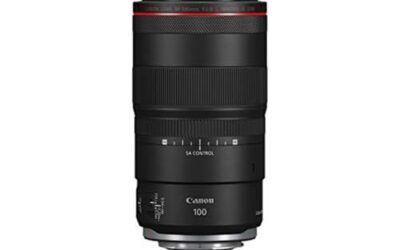
Canon EF 100-400mm f/4.5-5.6L is II USM Lens - 9524B002 (Renewed)
Included for '10 Best Canon Ef Lenses (November 2026)' as a representative consumer electronics in this roundup; selection reflects the product set returned for this topic.
View on Amazon
Canon EF 100-400mm f/4.5-5.6L IS USM Telephoto Zoom Lens for Canon SLR Cameras (Renewed)
Included for '10 Best Canon Ef Lenses (November 2026)' as a representative consumer electronics in this roundup; selection reflects the product set returned for this topic.
View on Amazon
Canon EF 75-300mm f/4-5.6 III Telephoto Zoom Lens for Canon SLR Cameras
Included for '10 Best Canon Ef Lenses (November 2026)' as a representative consumer electronics in this roundup; selection reflects the product set returned for this topic.
View on Amazon
Canon EF 100-400mm f/4.5-5.6L is USM Telephoto Zoom Lens for Canon SLR Cameras
Included for '10 Best Canon Ef Lenses (November 2026)' as a representative consumer electronics in this roundup; selection reflects the product set returned for this topic.
View on Amazon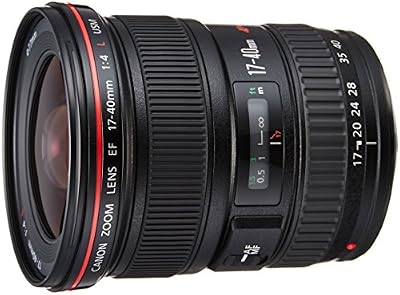
Canon 17-40mm f/4L EF Ultra Wide Angle Lens
Included for '10 Best Canon Ef Lenses (November 2026)' as a representative consumer electronics in this roundup; selection reflects the product set returned for this topic.
View on Amazon
Canon EF 24-70mm f/4.0L IS USM Standard Zoom Lens (Renewed)
Included for '10 Best Canon Ef Lenses (November 2026)' as a representative consumer electronics in this roundup; selection reflects the product set returned for this topic.
View on Amazon
Canon EF 24-105mm f/4 L is USM Lens for Canon EOS SLR Cameras - White Box (Bulk Packaging)
Included for '10 Best Canon Ef Lenses (November 2026)' as a representative consumer electronics in this roundup; selection reflects the product set returned for this topic.
View on Amazon| Product | Best for | Key spec from the title |
|---|---|---|
| Canon EF 50mm f/1.8 STM | Cheap portraits and low light | f/1.8, STM, EOS DSLR compatible |
| Canon EF 75-300mm f/4-5.6 III (Renewed) | Entry-level telephoto | 75-300mm, f/4-5.6, renewed |
| Canon EF 16-35mm f/2.8L II USM (Renewed) | Fast wide-angle landscapes and events | 16-35mm, f/2.8L, USM |
| Canon EF 100-400mm f/4.5-5.6L IS II USM (Renewed) | Serious wildlife and sports | 100-400mm, IS II, USM |
| Canon EF 100-400mm f/4.5-5.6L IS USM (Renewed) | Same reach at a lower tier | 100-400mm, IS, renewed |
| Canon EF 75-300mm f/4-5.6 III | Budget telephoto, new | 75-300mm, SLR cameras |
| Canon EF 100-400mm f/4.5-5.6L IS USM | Long L-series zoom | 100-400mm, telephoto zoom |
| Canon 17-40mm f/4L | Wide landscapes | 17-40mm, f/4L ultra wide angle |
| Canon EF 24-70mm f/4L IS USM (Renewed) | Standard zoom with stabilization | 24-70mm, f/4.0L, IS |
| Canon EF 24-105mm f/4L IS USM | All-purpose walkaround | 24-105mm, f/4L, white box |
How to Choose
Start with focal range
Ultra-wide zooms such as 16-35mm and 17-40mm suit landscapes and interiors. A 24-70mm or 24-105mm covers everyday shooting. Telephotos like 75-300mm and 100-400mm reach subjects at a distance. Pick the range you reach for most, then decide how fast and how sharp you need it. If you are unsure, review the focal lengths in the photos you already like and see which numbers appear most often.
Aperture and L-series build
The L in the name marks Canon’s professional line, with better weather sealing and glass. An f/2.8 lens like the 16-35mm lets in twice the light of an f/4 lens, which helps in dim venues. If you mostly shoot outdoors in daylight, f/4 L lenses are lighter and easier on the budget.
Stabilization and autofocus motors
IS marks image stabilization and USM or STM mark the focus motor. USM is fast and quiet, STM is smooth for video. Stabilization matters most on the telephoto and standard zooms. The older 75-300mm lacks the stabilization shown on the L-series titles, which makes a tripod or fast shutter speed more important with it.
Renewed, new and bulk packaging
Renewed lenses save money but carry less predictable condition, and white box packaging means no retail box and sometimes fewer accessories. Confirm that hoods, caps and a return window are included, and inspect glass and zoom smoothness on arrival. Test autofocus at both ends of the zoom range before the return window closes.
The 10 Best Options
Canon EF 50mm f/1.8 STM
The classic inexpensive prime for EOS DSLRs, with an f/1.8 aperture and quiet STM focusing. It suits beginners exploring portraits and low-light shots without spending much. The wide aperture produces soft backgrounds that kit zooms cannot match, and the lens is small enough to carry anywhere. Many photographers keep one in the bag as a low-light backup even after buying pricier glass.
- Strength: bright f/1.8 aperture at a budget tier.
- Strength: STM focus motor is smooth for video.
- Trade-off: no stabilization listed and a fixed focal length.
Skip it if you want zoom flexibility or need a wide view for tight interiors.
Canon EF 75-300mm f/4-5.6 III (Renewed)
An entry-level telephoto zoom in renewed condition. It gives beginners reach for sports, pets and distant scenes at a budget tier. The slow f/4-5.6 range means good light is needed, so it works best outdoors on bright days at a sports field, zoo or park.
- Strength: long reach at a very low tier.
- Strength: familiar lens for Canon SLRs.
- Trade-off: no stabilization or L-series build is mentioned, and condition varies.
Skip it if you need sharp results at the long end.
Canon EF 16-35mm f/2.8L II USM (Renewed)
A professional wide zoom with a constant f/2.8 aperture and USM focusing. Landscape, real estate and event photographers value its speed. In renewed form it offers an L-series wide lens at a lower tier. Wedding and event shooters often rely on this focal range for group shots in tight rooms.
- Strength: f/2.8 helps in dim interiors and for night skies.
- Strength: L-series build and USM autofocus.
- Trade-off: a renewed pro lens is still expensive, and no stabilization is listed.
Skip it if you shoot mainly telephoto subjects.
Canon EF 100-400mm f/4.5-5.6L IS II USM (Renewed)
The second-generation long zoom, with image stabilization and USM focusing, offered renewed. It is a favorite for wildlife, motorsport and air shows. The IS II designation signals the newer optical and stabilization design. It pairs well with a monopod, which takes much of the load off your arms during long sessions.
- Strength: long reach with stabilization for handheld work.
- Strength: L-series build for field use.
- Trade-off: it is heavy, and renewed units vary in condition.
Skip it if you travel light or shoot mainly close subjects, because the size and weight become a burden quickly.
Canon EF 100-400mm f/4.5-5.6L IS USM (Renewed)
The first-generation 100-400mm, also renewed. It shares the same range and L-series build and often sits at a lower tier than the second version. Wildlife hobbyists on a budget will find it attractive, particularly if they already own a camera body that handles long lenses comfortably.
- Strength: same focal range as the newer version for less.
- Strength: image stabilization for telephoto shooting.
- Trade-off: an older design that lacks the newer II features.
Skip it if you want the latest optics and are willing to pay for them, since the second-generation listing exists for that reason.
Canon EF 75-300mm f/4-5.6 III
The same budget telephoto zoom without the renewed tag. It suits shoppers who want a new-condition lens for SLR cameras and do not mind a basic design. It gets you to 300mm for casual wildlife and sports. A lens hood is worth adding to protect contrast when you shoot toward the sun.
- Strength: new condition at a budget tier.
- Strength: broad compatibility with Canon SLRs.
- Trade-off: basic optics and no listed stabilization.
Skip it if image quality at 300mm is critical or you shoot professionally, where an L-series zoom is the sturdier choice.
Canon EF 100-400mm f/4.5-5.6L IS USM
A listing for the first-generation L telephoto zoom, described as a telephoto zoom for Canon SLR cameras. It gives long reach with IS and USM, a combination that helps with birds in flight and field sports. Buyers who want the long end of the range without moving up to a prime often start here.
- Strength: L-series long zoom with stabilization.
- Strength: versatile for wildlife and sports.
- Trade-off: it is bulky and carries older design traits.
Skip it if weight matters more than reach, or if you want the newer II design.
Canon 17-40mm f/4L
An ultra-wide L zoom at f/4. It is a staple for landscape photographers who want L-series quality at a lower tier than the 16-35mm f/2.8. The f/4 aperture is plenty for tripod work in daylight. Graduated filters are a common companion for sunrise and sunset scenes.
- Strength: L-series ultra-wide at a modest tier.
- Strength: lighter than the f/2.8 option.
- Trade-off: f/4 is less helpful at night, and no stabilization is listed.
Skip it if you need f/2.8 for events.
Canon EF 24-70mm f/4L IS USM (Renewed)
A standard zoom with image stabilization and USM, in renewed form. It suits travel, portraits and general use. The f/4 aperture keeps size and weight reasonable. It is the kind of lens that stays on the body for a week of travel without becoming a burden.
- Strength: stabilization helps handheld shots in dim light.
- Strength: L-series build and a versatile range.
- Trade-off: f/4 is slower than f/2.8 standard zooms.
Skip it if you want the longer reach of a 24-105mm or a brighter f/2.8 aperture.
Canon EF 24-105mm f/4L IS USM
The popular walkaround L zoom, offered in white box bulk packaging. It spans wide to short telephoto with stabilization. That packaging usually means no retail box, so confirm the accessories. Because the range covers wide to short telephoto, it replaces two or three primes for many owners.
- Strength: broad range for travel and events.
- Strength: IS and USM in an L-series body.
- Trade-off: bulk packaging can mean missing accessories.
Skip it if you need f/2.8, a longer reach or a retail box with every accessory.
Which One Fits Your Situation
You are just starting and want one cheap upgrade
Buy the Canon EF 50mm f/1.8 STM. It gives you portraits and low-light shots right away, and it leaves budget for a telephoto such as the 75-300mm later.
You shoot wildlife or motorsport
Choose a Canon EF 100-400mm L, the second-generation renewed listing if you can afford it, otherwise the first generation. Either way, plan for a monopod and a sturdy strap.
You photograph landscapes or interiors
The Canon 17-40mm f/4L covers landscapes at a modest tier, while the 16-35mm f/2.8L II suits dim interiors and night scenes where a wider aperture earns its keep.
You want one lens for travel
The Canon EF 24-105mm f/4L IS USM is the walkaround choice, with the 24-70mm f/4L as a compact alternative if you rarely need the extra reach.
Common Mistakes
- Assuming every renewed lens is in the same condition, rather than checking the seller’s grading and return terms.
- Ignoring the weight of long L zooms for hand-held use, then leaving them at home after a few outings.
- Choosing the cheapest telephoto and expecting L-series sharpness.
- Forgetting that EF lenses need an adapter on mirrorless bodies.
- Buying bulk packaging without checking the hood and caps.
Related guides
- Gaming Chairs For Back Pain With Lumbar Support
- Gaming Keyboards For Fps With Rapid Trigger
- Travel Backpack With Laptop Compartment
Frequently Asked Questions
Can EF lenses be used on mirrorless Canon cameras?
Yes, with an EF-to-RF adapter. Autofocus and stabilization generally carry over, but confirm on the product page. The adapter adds some length and weight, which is worth considering with a heavy telephoto.
What does the L stand for?
It marks Canon’s professional luxury line, with higher-grade glass and sealing. It is not a performance guarantee for every shot, but it signals a step up.
Is f/4 enough?
For daylight and tripod work, yes. For dim events, a lens such as the 16-35mm f/2.8L is better, because the wider aperture lets you keep shutter speeds high and ISO low.
Are renewed lenses safe to buy?
They can be, if the seller has a return window. Inspect the glass, zoom ring and focus on arrival.